

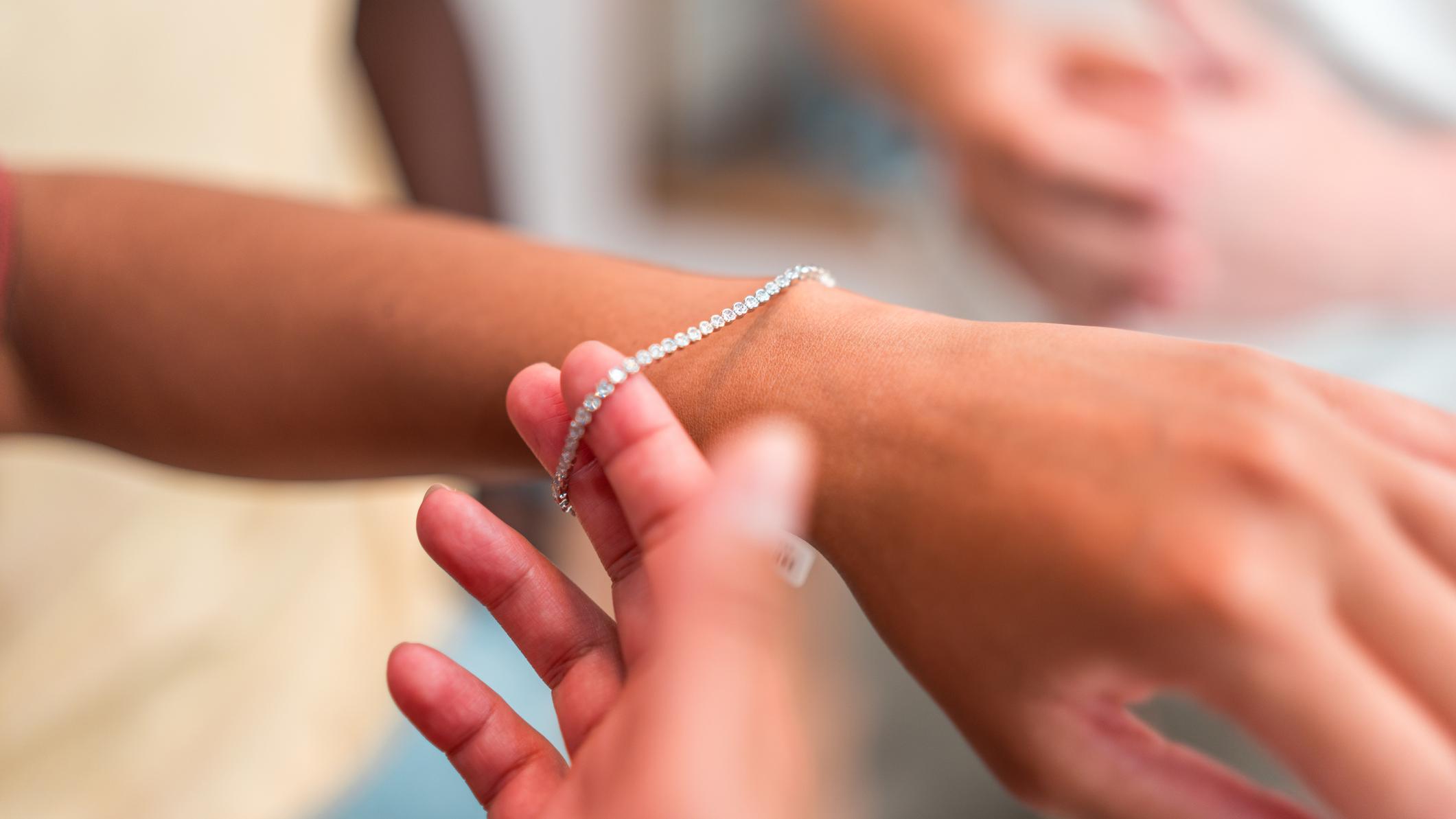
A tennis bracelet is one of those pieces that never really goes out of style. It sits quietly on your wrist, catches the light at just the right moment, and somehow makes even a plain outfit look put together. But here’s the thing — not all tennis bracelets are created equal, and buying one without knowing what to look for can be an expensive mistake.
Whether you’re shopping for an anniversary gift, treating yourself, or just curious about what makes this classic piece so beloved, this guide walks you through everything you need to know. We’ll cover what a tennis bracelet actually is, how to choose the right one, the mistakes most first-time buyers make, and expert tips that jewelers rarely share upfront.
What Is a Tennis Bracelet?
A tennis bracelet is a flexible, line-style bracelet featuring a continuous strand of similarly sized gemstones — usually diamonds — set in precious metal. Unlike a charm bracelet or a bangle, its beauty comes from consistency. Every stone matches the next in size, cut, and clarity, creating a seamless sparkle that wraps evenly around the wrist.
The name has an interesting backstory. It’s said to date back to a televised 1978 US Open match, when tennis player Chris Evert’s diamond line bracelet broke and scattered across the court. Play paused while she searched for it, and reporters started calling the style a “tennis bracelet” from that point forward. The name stuck, and now it’s the standard term for this type of bracelet worldwide.
Why This Style Has Stayed Popular for Decades
Trends in jewelry come and go, but the tennis bracelet has held its ground since the 1980s. Part of that staying power comes from its versatility — it works with a business suit just as well as it does with a cocktail dress. It’s also a piece that transitions across generations, often passed down as an heirloom because of its timeless, understated design.
How to Choose the Right Tennis Bracelet
Picking the right tennis bracelet isn’t just about budget. A few factors determine whether you end up with a piece that looks luxurious for years or one that dulls and loosens within months.
1. Metal Type Matters
Most tennis bracelets are crafted in white gold, yellow gold, rose gold, or platinum. Platinum is the most durable and hypoallergenic option, though it comes at a premium. White gold offers a similar look at a lower cost but may need periodic rhodium plating to maintain its shine.
2. Stone Quality and Cut
Diamonds are graded by the four Cs: cut, color, clarity, and carat weight. For a tennis bracelet, cut consistency across all stones matters more than any single factor, since mismatched stones disrupt the smooth, continuous sparkle the style is known for.
3. Clasp and Setting Security
This is where many buyers get it wrong. A weak clasp or thin prongs can mean losing a stone — or the entire bracelet — without even noticing. Look for a secure box clasp with a safety latch, and check that each stone is held with sturdy prongs rather than minimal metal.
4. Bracelet Length and Fit
A tennis bracelet should sit snugly but not tightly, with just enough room to slide a finger underneath. Too loose, and the clasp bears constant strain. Too tight, and it can dig into the skin during daily wear.
Benefits of Owning a Tennis Bracelet
- Timeless design that pairs with both casual and formal outfits
- Versatile styling, since it can be worn alone or stacked with other bracelets
- Strong resale and heirloom value, especially with natural diamonds
- Everyday wearability, unlike bulkier statement jewelry
- Gift-worthy symbolism, often chosen for anniversaries and milestones
Common Mistakes to Avoid
- Buying based on carat weight alone — total carat weight can be misleading if the stones are poorly cut or unevenly matched.
- Ignoring the clasp quality — a beautiful bracelet with a flimsy clasp is a loss waiting to happen.
- Skipping insurance or appraisal — many owners assume homeowner’s insurance automatically covers jewelry loss, which isn’t always true.
- Choosing the wrong length — an ill-fitting bracelet is uncomfortable and more prone to snagging or falling off.
- Overlooking lab-grown options — dismissing lab-grown diamonds without comparing value can mean overspending unnecessarily.
Expert Tips for Buying a Tennis Bracelet
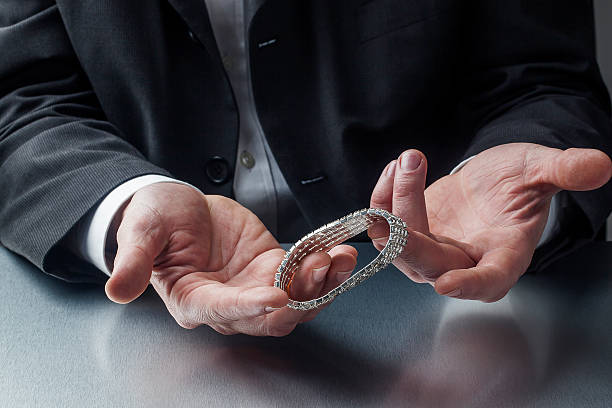
- Ask for a certification from an independent lab, such as GIA or AGS, especially for natural diamonds.
- Have the clasp inspected and tightened every six to twelve months by a jeweler.
- Consider a safety chain as a backup if the bracelet will be worn daily.
- Compare in-store lighting with natural daylight before finalizing your purchase, since stones can appear different under each.
- Clean the bracelet gently with warm water and a soft brush to keep the sparkle consistent.
Tennis Bracelet Comparison Table
| Feature | Budget-Friendly Option | Mid-Range Option | Luxury Option |
|---|---|---|---|
| Metal | Sterling silver or gold vermeil | 14K white/yellow gold | Platinum or 18K gold |
| Stone Type | Cubic zirconia or lab-grown diamonds | Lab-grown diamonds | Natural diamonds |
| Average Price Range | $100–$500 | $800–$3,000 | $3,500 and above |
| Durability | Moderate | Good | Excellent |
| Best For | Everyday casual wear | Special occasions | Heirloom or investment pieces |
Frequently Asked Questions
What is a tennis bracelet made of?
A tennis bracelet is typically made of precious metal, such as white gold, yellow gold, rose gold, or platinum, set with a continuous line of matching gemstones like diamonds. Budget-friendly versions may use sterling silver paired with cubic zirconia or lab-grown diamonds. The metal and stone combination affects both durability and price significantly.
How much does a tennis bracelet cost?
Prices vary widely based on metal, stone quality, and carat weight. A budget-friendly tennis bracelet with lab-grown stones can start around $100–$500, while a luxury version with natural diamonds and platinum can exceed $10,000. It’s best to set a budget first, then compare options within that range.
Can you wear a tennis bracelet every day?
Yes, a tennis bracelet is designed for everyday wear, thanks to its flexible, low-profile design. However, daily wear increases exposure to clasp strain and minor scratches, so periodic professional inspections are recommended to keep it secure and looking its best.
What’s the difference between a tennis bracelet and a diamond line bracelet?
The terms are often used interchangeably, but “diamond line bracelet” is technically the broader, original name, while “tennis bracelet” became popular after the famous 1978 US Open incident. Both refer to the same continuous-stone bracelet style.
How do I know if my tennis bracelet clasp is safe?
A safe clasp should click firmly into place and include a secondary safety latch. If the clasp feels loose, sticks, or doesn’t close smoothly, it’s worth having a jeweler inspect or replace it before wearing the bracelet regularly.
Are lab-grown diamonds a good choice for a tennis bracelet?
Lab-grown diamonds are chemically identical to natural diamonds but typically cost 30–40% less, making them a practical option for larger, more affordable tennis bracelets. They’re a solid choice for buyers who want size and sparkle without the higher price tag of natural stones.
What length should I choose for a tennis bracelet?
Standard lengths range from 6.5 to 8 inches, depending on wrist size. The best way to find the right fit is to measure your wrist with a soft tape measure and add half an inch for comfortable movement.
How often should a tennis bracelet be cleaned or serviced?
It’s recommended to clean a tennis bracelet every few weeks with warm water and a soft brush, and have it professionally inspected every six to twelve months to check prongs, clasps, and stone security.
Summary
A tennis bracelet is more than just a sparkling accessory — it’s an investment piece that can last generations when chosen carefully. From metal type and stone quality to clasp security and proper fit, every detail affects how well it performs over time. If you’re ready to find a tennis bracelet that fits your style and budget, start by visiting a trusted jeweler for an in-person comparison, or explore certified options online before making your final decision.
Discover more trending content only on WorldSnipes.
