



You spent the afternoon at the pool, and now your skin feels like it’s on fire. Your head is pounding. You’re chilled despite the summer heat. This isn’t an ordinary sunburn — it might be sun poisoning, and it’s more serious than most people realize.
Sun poisoning is the informal term for a severe reaction to ultraviolet (UV) exposure. It goes beyond typical redness and peeling, triggering symptoms that mimic the flu or an allergic reaction. Left untreated, it can lead to dehydration, infection, and in rare cases, a trip to the emergency room.
This guide breaks down exactly what sun poisoning is, how to spot it early, what causes it, and how to treat it at home or know when to seek medical help.
What Is Sun Poisoning?
Despite its dramatic name, sun poisoning isn’t technically a poisoning at all. It’s a severe sunburn that resembles an allergic reaction, often causing blistering, rashes, dehydration, and lightheadedness. Doctors don’t use “sun poisoning” as an official diagnosis, but the term captures a real and painful experience that millions of people face every summer.
Family medicine physicians note that sun poisoning often mimics a flu-like illness or allergic reaction, leaving people shivering in bed with a headache, fever, and chills, alongside red, painful, sun-scorched skin. That combination of systemic symptoms and skin damage is what separates sun poisoning from an average sunburn.
Some cases of sun poisoning are actually a distinct condition called polymorphous light eruption (PMLE), an itchy rash that develops as an allergic-style reaction to sunlight rather than a burn. Either way, the underlying culprit is the same: too much unprotected UV exposure.
Why the Term “Sun Poisoning” Sticks Around
People use the phrase because the symptoms genuinely feel like poisoning — nausea, chills, fever, and total-body discomfort. Even though it isn’t a formal medical category, doctors and urgent care clinics recognize it as shorthand for a severe photosensitivity reaction that needs attention.
Sun Poisoning vs. Regular Sunburn: Key Differences
A standard sunburn is uncomfortable but usually manageable with aloe and rest. Sun poisoning goes further, affecting your whole body rather than just your skin.
Regular sunburn typically causes localized redness, warmth, and mild tenderness that fades within a few days. Sun poisoning adds systemic symptoms like fever, chills, nausea, and dehydration on top of severe skin damage. That whole-body involvement is the clearest signal you’re dealing with something more serious.
7 Warning Signs of Sun Poisoning
Recognizing sun poisoning early can prevent complications. Watch for these seven signs:
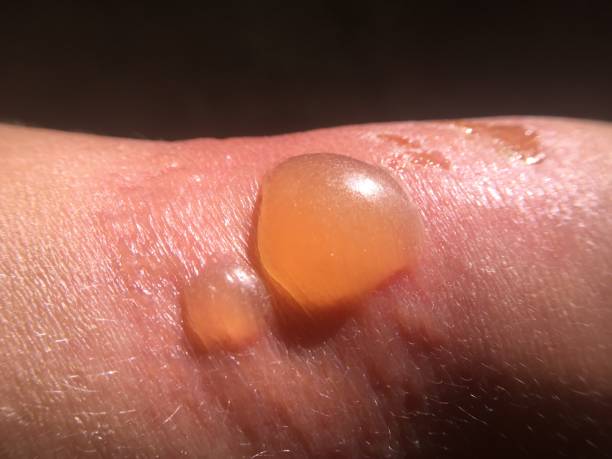
- Severe blistering covering a large area of skin
- High fever, often above 101°F (38.3°C), sometimes with chills
- Persistent headache that doesn’t respond to typical pain relievers
- Nausea or vomiting following extended sun exposure
- Dizziness or confusion, which can signal heat-related dehydration
- Extreme thirst or minimal urination, both signs of dehydration
- Swelling in the affected skin, sometimes with oozing or signs of infection
Extensive blistering over a large body area and a high fever accompanied by chills are considered major warning signs that require prompt medical attention. If you notice several of these symptoms together, don’t wait it out — get evaluated.
When Symptoms Signal an Emergency
Severe pain that over-the-counter relievers can’t control, along with signs of severe dehydration such as extreme thirst, confusion, dizziness, and sunken eyes, are reasons to seek immediate care.A fever over 103°F (39.4°C) with vomiting also warrants urgent medical attention. Don’t try to push through these symptoms at home.
What Causes Sun Poisoning?
Sun poisoning develops when skin absorbs more UV radiation than it can safely handle. Several factors increase your risk:
- Extended, unprotected time outdoors, especially between 10 a.m. and 4 p.m.
- Fair or light skin that burns more easily
- High altitude or proximity to water, sand, or snow, which reflect UV rays
- Certain medications (some antibiotics, acne treatments, and diuretics increase photosensitivity)
- Underlying skin conditions or a genetic predisposition to light sensitivity
Polymorphous light eruption, sometimes colloquially called sun poisoning, is a distinct allergic reaction that causes an itchy rash rather than classic burn symptoms. Understanding which type you’re dealing with helps guide the right treatment.
Benefits of Early Treatment
Catching sun poisoning early pays off in several ways:
- Faster healing — treating symptoms within the first 24 hours reduces recovery time
- Lower infection risk — proper wound care on blisters prevents bacterial complications
- Reduced dehydration risk — early rehydration prevents dizziness and fainting
- Less long-term skin damage — prompt care limits peeling, scarring, and pigment changes
- Peace of mind — knowing when symptoms are manageable versus dangerous reduces anxiety
Common Mistakes People Make
Avoid these frequent missteps when dealing with sun poisoning:
- Popping blisters — this dramatically raises infection risk
- Using ice directly on skin — ice can worsen tissue damage; opt for cool compresses instead
- Skipping fluids — dehydration compounds the problem quickly
- Applying petroleum-based products — these trap heat instead of releasing it
- Waiting too long to see a doctor — delaying care for severe symptoms can lead to complications
- Returning to direct sun too soon — re-exposure before healing worsens damage
Expert Tips for Fast Recovery
Take a nonprescription pain reliever such as ibuprofen or acetaminophen as soon as possible after excessive sun exposure to reduce pain and inflammation.
If your eyes are affected, apply a clean towel dampened with cool tap water, avoid wearing contacts until symptoms clear, and don’t rub your eyes.
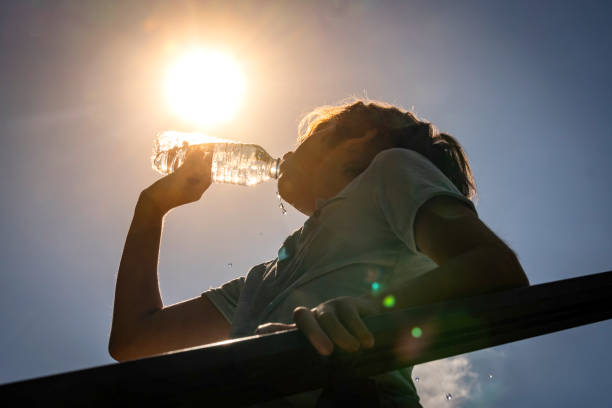
Drinking plenty of water and electrolytes helps keep you hydrated and clear-minded while your body recovers.
For mild symptoms, simply avoiding further sun exposure for a few days often allows the reaction to fade on its own.
Other expert-recommended steps include cool (not cold) showers, fragrance-free moisturizer, loose breathable clothing, and avoiding alcohol, which worsens dehydration.

Sunburn vs. Sun Poisoning Comparison Table
| Feature | Regular Sunburn | Sun Poisoning |
|---|---|---|
| Skin symptoms | Redness, mild swelling | Blistering, severe swelling, rash |
| Body-wide symptoms | Rare | Fever, chills, nausea |
| Pain level | Mild to moderate | Severe |
| Healing time | 3–7 days | 1–3 weeks |
| Home treatment | Usually sufficient | Often needs medical guidance |
| Dehydration risk | Low | Moderate to high |
| Medical attention needed | Rarely | Often, especially with fever or confusion |
How to Prevent Sun Poisoning
Prevention beats treatment every time. Apply broad-spectrum sunscreen with SPF 30 or higher every two hours, seek shade during peak UV hours, wear UPF-rated clothing and wide-brim hats, and stay hydrated throughout the day. If you’re on medication, ask your pharmacist whether it increases sun sensitivity before spending long hours outdoors.
Frequently Asked Questions
What does sun poisoning feel like?
Sun poisoning typically feels like a combination of a severe sunburn and the flu. You may experience intense skin pain, blistering, chills, fever, headache, and nausea. Unlike a regular sunburn, which stays localized to the skin, sun poisoning often makes your entire body feel unwell. Symptoms usually appear within a few hours of extended, unprotected sun exposure and can worsen over the following day if untreated.
How long does sun poisoning last?
Recovery time varies by severity. Pain and skin healing can continue for a few weeks depending on how severe the burn is. Mild cases often improve within several days, while more severe reactions with blistering can take two to three weeks to fully heal. Staying hydrated, protecting the skin, and avoiding further sun exposure during recovery helps speed up the healing process significantly.
Can you get sun poisoning without getting burned?
Yes. Some forms of sun poisoning, like polymorphous light eruption or solar urticaria, are allergic-type reactions rather than classic burns. Solar urticaria causes hives on sun-exposed skin, and individual hives usually fade within 30 minutes to two hours but return with further sun exposure. These reactions can occur even with minimal visible burning.
Is sun poisoning dangerous?
It can be, especially if dehydration, high fever, or infection develop. Most cases resolve with home care, but severe symptoms like confusion, extreme thirst, or a very high fever require prompt medical attention. Left unmanaged, dehydration and infected blisters can escalate into more serious health complications, so it’s important not to ignore worsening symptoms.
What home remedies help sun poisoning?
Cool compresses, fragrance-free aloe vera gel, plenty of water and electrolytes, and over-the-counter pain relievers are commonly recommended. Avoid popping blisters or applying heavy, greasy products that trap heat. Wearing loose, breathable clothing and resting in a cool environment also supports faster healing while your skin repairs itself.
When should I see a doctor for sun poisoning?
See a doctor if you develop a high fever, severe blistering, confusion, persistent vomiting, or signs of infection such as pus or spreading redness around blisters. Signs of severe dehydration, including confusion, dizziness, minimal urination, and sunken eyes, also warrant immediate evaluation.
Can sun poisoning cause permanent skin damage?
In most cases, no. Most sunburns aren’t severe enough to cause scarring, since they’re typically first-degree burns affecting only the skin’s outer layers. However, severe cases involving deep blistering or infection can occasionally lead to scarring or lasting pigment changes, which is another reason early treatment matters.
Are certain people more prone to sun poisoning?
Yes. People with fair skin, a history of sun allergies, or those taking photosensitizing medications face higher risk. Genetics can also play a role, as some people are simply more reactive to UV exposure than others, even with similar sun habits.
Summary
Sun poisoning is your skin and body’s way of signaling that UV exposure has gone too far. From blistering and fever to dehydration and nausea, the symptoms deserve more attention than an ordinary sunburn. The good news is that with early recognition, proper hydration, and smart home care, most people recover fully within a few weeks.
If your symptoms feel severe, confusing, or aren’t improving, don’t wait — talk to a doctor. And next time you head outdoors, load up on sunscreen, seek shade during peak hours, and give your skin the protection it deserves. Your future self will thank you.
Discover more trending content only on WorldSnipes.