


Collage art is one of the most accessible and expressive forms of visual creativity you can explore, whether you’re a student, a hobbyist, or a working artist. At its core, the art is the practice of assembling different materials — paper, fabric, photographs, found objects, or digital elements — onto a surface to create a single, unified composition. It sounds simple, but the results can be breathtaking.
If you’ve ever torn a magazine page and layered it with paint or arranged old photographs into a new story, you’ve already brushed up against the art. This guide breaks down everything you need to know: its history, its techniques, the tools you’ll need, and the mistakes beginners commonly make. By the end, you’ll have a clear, practical roadmap for creating your own collage art with confidence.
What Is Collage Art?
Collage art comes from the French word coller, meaning “to glue.” It refers to any artwork made by combining separate pieces of material into one composition. Unlike painting or drawing, Art doesn’t require you to create every element from scratch. Instead, you curate, cut, layer, and reassemble existing materials into something entirely new.
This is what makes collage art so powerful for both beginners and professionals. It lowers the barrier to entry while still allowing for enormous creative depth. A well-made piece of collage art can communicate emotion, tell a story, or challenge a viewer’s perspective, all through the simple act of arrangement.
Why Collage Art Matters in Modern Education
Many art educators now use collage art as an entry point for teaching design principles like balance, contrast, texture, and composition. Because it removes the pressure of “drawing skill,” students can focus purely on visual storytelling and decision-making, which makes it a valuable tool in classrooms and art therapy settings alike.
A Brief History of Collage Art
Collage art gained formal recognition in the early 20th century, when artists Pablo Picasso and Georges Braque began incorporating newspaper clippings and fabric into their Cubist paintings. Around the same time, German artist Hannah Höch and Dadaist Kurt Schwitters pushed the medium further, using photomontage to comment on politics, media, and identity.
Later, in the mid-20th century, American artist Romare Bearden used collage art to explore themes of African American life and culture, proving that the medium could carry serious cultural and historical weight, not just decorative value.
From Cubism to Contemporary Practice
Today, Art has expanded into digital spaces, social media graphics, editorial illustration, and mixed-media fine art. Its evolution shows how a technique born from paper scraps became a globally recognized artistic language.
Types of Collage Art You Should Know
Understanding the different categories of collage art helps you choose the right approach for your project.
- Paper Collage – The most traditional form, using magazines, newspapers, or printed paper.
- Photomontage – Combining multiple photographs to create a new visual narrative.
- Mixed Media Collage – Blending paint, ink, or drawing with physical materials.
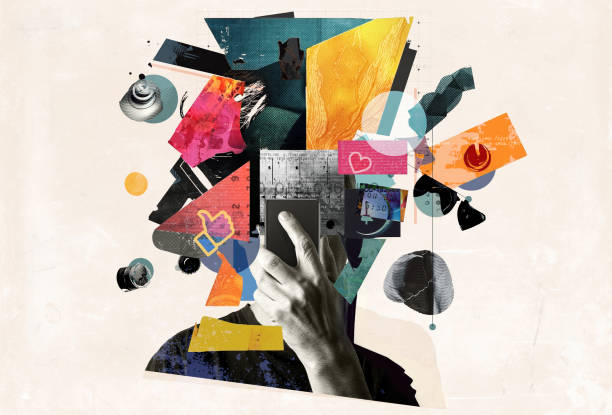
- Digital Collage – Created using software like Photoshop or Canva, popular in modern graphic design.
- Textile Collage – Using fabric, thread, and stitching to build texture and depth.
Each type of art offers a different creative experience, but they all share the same foundational principle: transformation through combination.
Essential Materials for Collage Art
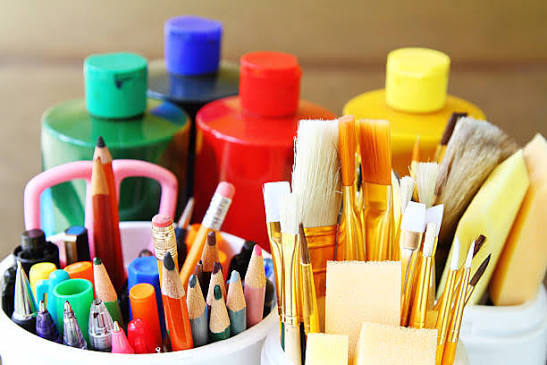
You don’t need an expensive studio setup to start making collage art. Here’s a simple beginner list:
- A sturdy base (cardboard, canvas, or thick paper)
- Scissors or a craft knife
- Glue stick, Mod Podge, or PVA glue
- Old magazines, newspapers, or printed photos
- Scrap fabric or textured paper
- A sealant or varnish for finishing
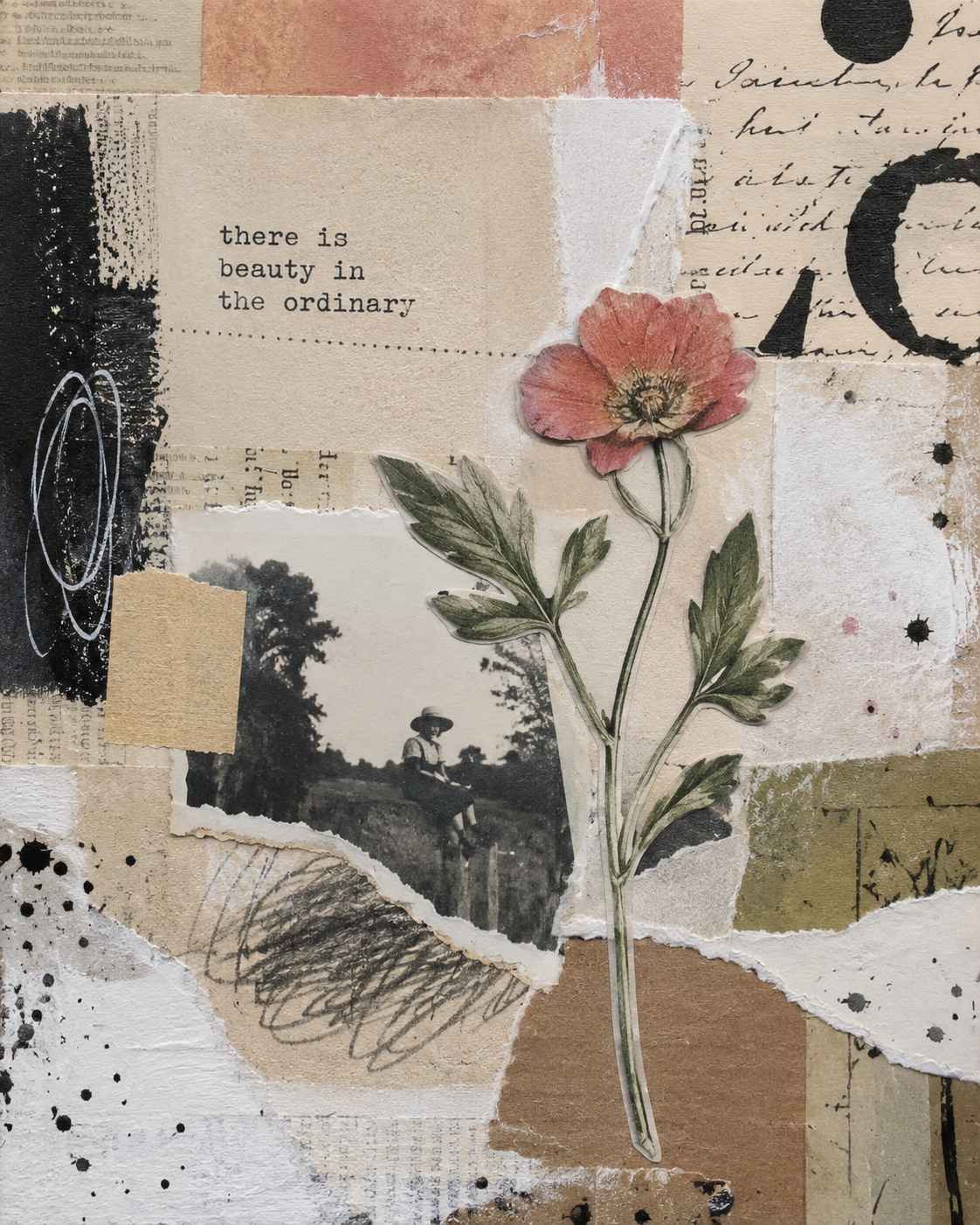
How to Create Collage Art: A Step-by-Step Process
- Choose a theme or concept. A clear idea makes material selection easier.
- Gather your materials. Collect more than you think you’ll need.
- Arrange before gluing. Move pieces around until the composition feels balanced.
- Layer intentionally. Build depth by overlapping shapes and textures.
- Glue and press. Secure each piece firmly to avoid bubbling or lifting.
- Seal your work. Apply varnish or laminate to protect the final piece.
This process applies whether you’re working on a small personal project or a large-scale piece of art for exhibition.
Benefits of Practicing Collage Art
- Boosts creativity without requiring advanced drawing skills
- Encourages recycling and sustainable material use
- Improves decision-making and composition skills
- Serves as a therapeutic, low-pressure creative outlet
- Builds a foundation for understanding design and visual storytelling
Common Mistakes to Avoid
Even experienced creators fall into these traps when working on art:
- Overcrowding the composition – Too many elements can overwhelm the viewer.
- Ignoring color harmony – Random colors can clash and weaken the piece.
- Rushing the glue process – Poor adhesion leads to peeling over time.
- Skipping the “dry layout” step – Gluing too early locks in mistakes.
- Using low-quality materials – Thin paper or weak glue shortens the artwork’s lifespan.
Expert Tips for Better Results
- Start with a limited color palette to keep your collage art visually cohesive.
- Use varying paper weights to add subtle texture and dimension.
- Photograph your progress; digital backups help if physical pieces get damaged.
- Study historical art from artists like Höch and Bearden for inspiration.
- Experiment with negative space instead of filling every inch of the canvas.
Collage Art vs. Other Art Forms
| Feature | Collage Art | Painting | Digital Illustration |
|---|---|---|---|
| Skill barrier | Low to moderate | Moderate to high | Moderate to high |
| Material cost | Low | Moderate | Low (after software purchase) |
| Tools required | Scissors, glue, paper | Brushes, paint, canvas | Tablet, software |
| Editability | Limited once glued | Limited once dry | Highly flexible |
| Best for | Storytelling, mixed media, education | Realistic or abstract imagery | Digital design, marketing assets |
Frequently Asked Questions
What is collage art in simple terms?
Collage art is a creative technique where you combine different materials, such as paper, fabric, or photographs, onto one surface to form a single artwork. Instead of drawing or painting everything from scratch, you arrange existing pieces to build a new visual composition. It’s widely used in fine art, education, and graphic design because it’s approachable for beginners while still offering room for advanced creative expression.
Who invented collage art?
Collage art wasn’t invented by a single person, but Pablo Picasso and Georges Braque are widely credited with bringing it into fine art during the early 1900s Cubist movement. Later, artists like Hannah Höch, Kurt Schwitters, and Romare Bearden expanded the medium, using it for political commentary and cultural storytelling, which helped shape art into the respected discipline it is today.
What materials are best for beginners in collage art?
Beginners should start with simple, affordable materials such as old magazines, newspapers, cardstock, scissors, and a reliable glue stick or Mod Podge. These materials are forgiving and easy to work with, allowing new artists to focus on composition and arrangement rather than worrying about expensive or hard-to-manage supplies.
Is digital collage art considered real art?
Yes, digital collage art is a legitimate and widely respected art form. It uses the same core principles as traditional art, layering, arrangement, and visual storytelling, but relies on software instead of physical materials. Many professional designers and illustrators use digital collage techniques for editorial work, advertising, and social media content.
How long does it take to finish a collage art piece?
The time required depends on complexity. A simple collage art project might take under an hour, while a detailed, multi-layered piece could take several days. Planning your composition beforehand, rather than gluing impulsively, tends to speed up the process and reduce mistakes.
Can collage art be used for therapy or education?
Absolutely. Collage art is frequently used in art therapy because it allows emotional expression without requiring technical drawing skills. In education, teachers use it to introduce concepts like composition, contrast, and color theory in a hands-on, low-pressure way that keeps students engaged.
What glue works best for collage art?
PVA glue and Mod Podge are generally the best choices for collage art because they dry clear, resist yellowing, and bond well with paper and fabric. Glue sticks work for quick, lightweight projects, but they may not hold heavier materials long-term.
Summary and Next Steps
Collage art proves that powerful creativity doesn’t require expensive tools or years of formal training. From its roots in Cubism to its modern digital applications, Art continues to evolve while staying true to its core idea: transformation through combination. Whether you’re a student exploring design fundamentals or an artist looking for a new creative outlet, collage art offers an accessible, rewarding path forward.
Ready to try it yourself? Gather a few old magazines, a glue stick, and a blank surface, then start experimenting with your first piece of art today.
Discover more trending content only on WorldSnipes.