





Getting your chess board setup right is the very first step toward playing a real game of chess, yet it’s the step most beginners rush through. A board that’s arranged incorrectly can throw off your entire opening strategy before you’ve even made your first move. Whether you just bought your first chess set or you’re teaching a child the basics, knowing exactly where every piece belongs matters more than you might think.
In this guide, you’ll learn the correct chess board setup step by step, along with the common mistakes people make, expert tips from experienced players, and answers to the questions beginners ask most often. By the end, you’ll be able to set up a chessboard confidently, every single time.
Why a Proper Chess Board Setup Matters
A correctly arranged board isn’t just about tradition. It ensures fair play, keeps the rules of movement consistent, and prevents confusion once the game gets underway. If your rooks, knights, or bishops start in the wrong squares, your entire strategy — and your opponent’s — becomes invalid from the start.
Tournament players take this seriously because even a single misplaced piece can lead to a restart or a penalty. For casual players, getting the setup right simply makes the game more enjoyable and true to how chess is meant to be played.
Chess Board Setup: Step-by-Step Instructions
Here’s exactly how to set up a chessboard correctly, whether you’re a total beginner or brushing up before a game night.
Step 1: Position the Board Correctly
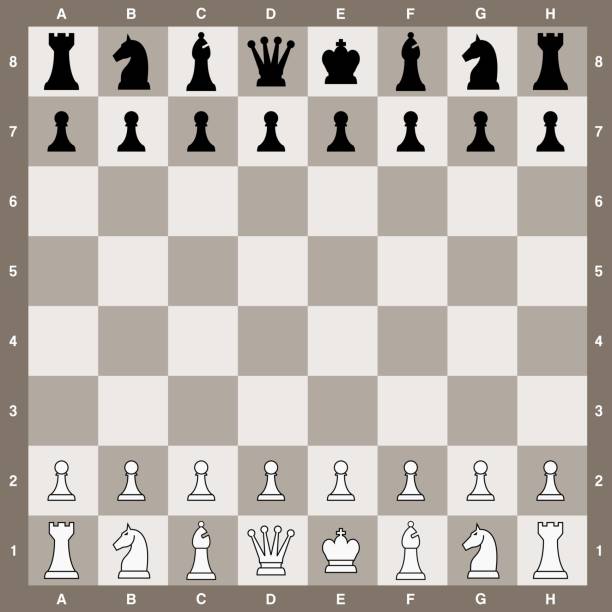
Before placing a single piece, orient the board properly. Each player should have a light-colored square in the bottom-right corner. This simple rule — often remembered as “light on right” — is the foundation of an accurate chess board setup.
Step 2: Place the Rooks
Rooks go in the four corners of the board. These are the castle-shaped pieces, and they anchor the back row for both players.
Step 3: Place the Knights
Next to each rook, place a knight. Knights are easily recognized by their horse-head shape and move in an L-pattern once the game begins.
Step 4: Place the Bishops
Bishops sit beside the knights. Each player has two bishops, and together they’ll eventually control diagonal lines across the board.
Step 5: Place the Queen
Here’s where many beginners hesitate: the queen always goes on her own color. The white queen sits on a light square, and the black queen sits on a dark square.
Step 6: Place the King
The king takes the one remaining square in the back row, right beside the queen.
Step 7: Line Up the Pawns
Finally, fill the entire second row (for each side) with pawns. That’s eight pawns per player, standing guard in front of the back row.
Once these seven steps are complete, your chessboard is fully and correctly set up, ready for the opening move.
Benefits of Learning the Correct Chess Board Setup
- Builds a strong foundation. Understanding piece placement helps you learn how each piece moves more naturally.
- Prevents rule confusion. A correct setup avoids illegal moves caused by misplaced pieces.
- Improves game consistency. You’ll set up the board the same way every time, which speeds up casual and competitive play alike.
- Boosts confidence. New players feel more prepared and less intimidated once setup becomes second nature.
- Supports better teaching. If you’re introducing chess to kids or beginners, a correct setup makes instruction far clearer.
Common Mistakes to Avoid
Even experienced hobbyists slip up occasionally. Watch out for these frequent chess board setup errors:
- Reversing the board orientation. Forgetting the “light on right” rule is the single most common mistake.
- Swapping the king and queen. Because they sit next to each other, it’s easy to place them incorrectly.
- Mixing up bishops and knights. Beginners sometimes place these in the wrong order near the rooks.
- Uneven pawn rows. Missing or doubling up a pawn during setup throws off the whole game.
- Ignoring piece color matching. Placing the queen on the wrong-colored square is a classic new-player slip.
Expert Tips for a Flawless Setup
- Practice the phrase “queen on her own color” until it becomes automatic.
- Set up the board the same way each time you play, so muscle memory takes over.
- If teaching beginners, set up one side first and have them mirror it on the other.
- Double-check the board orientation before placing any pieces — it’s easier to fix at the start than midway through.
- Use a chess app or diagram alongside your physical board when practicing, especially early on.
Chess Board Setup Comparison: Standard vs. Digital
| Feature | Standard Physical Board | Digital/App Chessboard |
|---|---|---|
| Setup Time | 1–2 minutes | Instant |
| Error Risk | Higher for beginners | Very low (auto-arranged) |
| Learning Value | Builds spatial memory | Convenient but less tactile |
| Best For | Home practice, tournaments | Quick games, online play |
| Portability | Requires physical set | Available anywhere via phone |
Both formats are useful. Many players use a physical board for serious practice and a digital chessboard app for quick games on the go.
Frequently Asked Questions
1. What is the correct chess board setup?
The correct chess board setup places rooks in the corners, knights beside them, bishops next, then the king and queen in the center squares. Pawns fill the entire second row. Each queen must sit on a square matching her own color, and the board should be oriented with a light square in each player’s bottom-right corner.
2. Which side does the queen go on in chess board setup?
The queen always goes on the square matching her color. The white queen starts on a light square, and the black queen starts on a dark square. A helpful reminder is “queen on her own color,” which prevents the most common beginner mixing mistake.
3. Does the white queen go on a light or dark square?
The white queen goes on a light-colored square, directly in the center of the back row, next to the king. This rule stays consistent regardless of which side of the table you’re sitting on.
4. How do you know which corner is correct for chess board setup?
Look at the square closest to your right hand in the back row — it should always be light-colored. This “light on right” rule applies to both players and is the easiest way to confirm your chessboard is oriented correctly before placing pieces.
5. What is the easiest way to remember chess board setup for beginners?
Beginners often use simple memory tricks: “light on right” for board orientation, and “queen on her own color” for placing the queen correctly. Practicing the same setup routine repeatedly also builds muscle memory, making the process automatic within just a few games.
6. Can chess board setup differ between tournaments and casual play?
No, the standard chess board setup is universal and doesn’t change between casual and tournament play. What differs is the level of scrutiny — tournament arbiters check setups carefully, while casual games are more relaxed about minor errors before the first move.
7. What happens if the chess board setup is wrong before starting?
If a setup mistake is caught before the first move, simply correct it — no harm done. If discovered mid-game in a casual setting, players usually agree to fix it and continue. In official tournaments, rules may require a restart if an error is found early in the game.
8. Is there a difference between chess board setup for kids and adults?
The setup itself is identical for kids and adults; only the teaching approach differs. Instructors often use simplified language, color-coded diagrams, or mirrored setup exercises to help younger players memorize the same standard chess board setup used at every level.
Summary
Mastering the correct chess board setup takes just a few minutes to learn, but it lays the groundwork for every game you’ll ever play. Remember the essentials: light square on the right, queen on her own color, and pawns lined up across the entire second row. Avoid the common mistakes outlined above, and you’ll set up your board correctly every single time.
Ready to put your setup skills to the test? Grab your chessboard, follow these seven steps, and challenge a friend to your next game.
Discover more trending content only on WorldSnipes.