



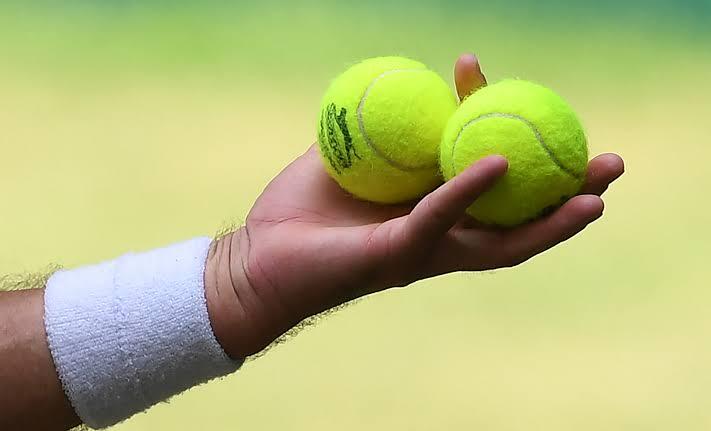
A tennis ball looks simple. It’s round, it’s fuzzy, and it bounces. But behind that cheerful yellow-green fuzz is a surprising amount of engineering, and the tennis ball you grab off the shelf can quietly make or break your game. Whether you’re a weekend player or training for competition, understanding how a tennis ball is made, why it matters, and how to choose the right one changes how you play.
This guide breaks down everything worth knowing about the tennis ball — from its construction to common buying mistakes — in plain, practical language. No jargon overload, just the facts that actually help you play better.
What Exactly Is a Tennis Ball Made Of?
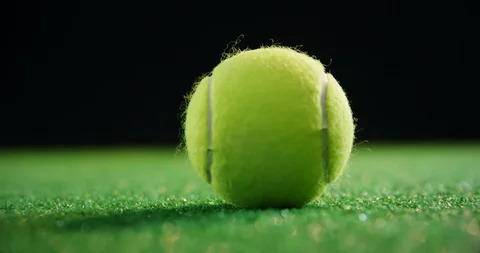
Every tennis ball starts with two rubber shells fused together to form a hollow core. That core is then filled with pressurized gas, which gives the ball its signature bounce. Manufacturers coat the outer surface with a wool-nylon blend felt, which controls how the ball moves through the air and interacts with the court surface.
The felt isn’t just decorative. It affects spin, speed, and how quickly the ball wears down. A tighter felt weave tends to last longer on hard courts, while a fluffier nap grips more on clay.
Pressurized vs. Pressureless Tennis Balls
This distinction trips up a lot of beginners.
- Pressurized balls contain compressed air inside the core. They offer a livelier bounce and are the standard choice for match play, but they lose bounce over time, even sitting unused in a can.
- Pressureless balls rely on thicker rubber walls instead of internal air. They don’t go dead the way pressurized balls do, making them popular for practice baskets, ball machines, and recreational hitting.
If you’re buying for tournament play, pressurized is the way to go. For daily practice or coaching sessions, pressureless balls save money in the long run.
Why the Right Tennis Ball Matters More Than You Think
Picking a tennis ball isn’t just about grabbing whatever’s cheapest. The right ball affects:
- Bounce consistency — uneven bounce throws off timing and technique.
- Spin control — felt quality determines how much bite you get on topspin shots.
- Court compatibility — clay, hard, and grass courts each favor different ball types.
- Player safety — worn or overly bouncy balls can strain joints during fast rallies.
Professional tournaments even standardize ball types by surface and altitude, which shows just how much this small object influences the entire game.
Benefits of Using the Right Tennis Ball
- Better skill development – Consistent bounce helps beginners build accurate muscle memory.
- Reduced injury risk – Balls matched to surface and altitude reduce unnecessary strain on wrists and shoulders.
- Longer equipment life – The right ball type reduces excess wear on strings and rackets.
- Improved match performance – Predictable bounce means fewer unforced errors.
- Cost efficiency – Choosing pressureless balls for practice extends usable life significantly.
Common Mistakes Players Make With Tennis Balls
Even experienced players fall into these traps.
- Using old, dead balls for match practice. Once a pressurized ball loses bounce, it changes your timing without you realizing it.
- Ignoring altitude requirements. High-altitude balls are specially designed with lower internal pressure; using regular balls at elevation makes them fly too fast.
- Mixing ball types mid-session. Switching between pressurized and pressureless balls during a single practice throws off consistency.
- Storing balls incorrectly. Leaving cans open or storing balls in extreme heat speeds up pressure loss.
- Buying based on price alone. Ultra-cheap balls often use lower-grade felt that wears out within a few sets.
Expert Tips for Choosing and Maintaining Tennis Balls
- Buy in sealed cans, not loose balls, to guarantee they haven’t already lost pressure.
- Match the ball to the court surface — extra-duty felt for hard courts, regular duty for clay or soft courts.
- Rotate practice balls so wear is distributed evenly across your supply.
- Store cans at room temperature, away from direct sunlight or car trunks in summer.
- Replace match balls after 7–9 games, which is the standard replacement interval in professional play.
Tennis Ball Types Compared
| Ball Type | Best For | Bounce Life | Typical Cost | Ideal Court |
|---|---|---|---|---|
| Pressurized (Regular Duty) | Match play, clay/indoor courts | Short (loses bounce in weeks) | Moderate | Clay, indoor |
| Pressurized (Extra Duty) | Match play, hard courts | Short-medium | Moderate | Hard court |
| Pressureless | Practice, ball machines | Long (months to years) | Low | Any surface |
| High-Altitude | Elevation above 3,500 ft | Short-medium | Moderate-high | Hard, clay |
How to Extend the Life of Your Tennis Balls
- Keep unopened cans sealed until you’re ready to play.
- Use a pressurized ball tube to store opened balls and slow air loss.
- Avoid leaving balls in freezing or extremely hot conditions.
- Rotate between multiple ball sets rather than overusing one can.
- Clean off dirt and clay residue after each session to preserve felt integrity.
Frequently Asked Questions
1. What is a tennis ball made of?
A tennis ball consists of a hollow rubber core, typically filled with pressurized gas, covered by a wool-nylon felt layer. The felt improves grip, controls air resistance, and affects how the ball behaves on different court surfaces. Manufacturing quality varies by brand, which is why professional-grade balls often perform more consistently than budget alternatives.
2. How long does a tennis ball last?
A pressurized tennis ball typically stays lively for two to four weeks of regular use, or roughly one to three matches at a competitive level. Even unopened, pressurized balls slowly lose internal pressure over months. Pressureless balls last significantly longer, often six months to a year, since they don’t rely on trapped air for bounce.
3. What’s the difference between regular duty and extra duty tennis balls?
Regular duty balls have a thinner felt designed for clay and indoor courts, where abrasion is lower. Extra duty balls use a thicker, more durable felt built to withstand the rougher texture of hard courts. Using the wrong type accelerates wear — regular duty balls fray quickly on hard courts, reducing performance.
4. Can I use old tennis balls for practice?
Yes, older or “dead” tennis balls are actually ideal for casual practice, drills, or ball machines, since consistent bounce matters less than during match play. Many coaches deliberately keep a separate bucket of used balls for this purpose, saving fresh cans for actual competitive sessions.
5. Why do tennis balls come in pressurized cans?
Manufacturers pressurize the can itself to match the internal pressure of the balls, which prevents them from losing bounce before the package is even opened. Once you open the can, the balls are exposed to normal atmospheric pressure and begin gradually deflating, even without being used.
6. Are pressureless tennis balls good for beginners?
Pressureless balls are actually a great fit for beginners because their bounce stays consistent over time, letting new players build reliable muscle memory. They’re also more budget-friendly since they don’t need frequent replacing, making them a smart choice for regular practice sessions.
7. How many tennis balls are used in a professional match?
Professional matches typically go through multiple cans, since balls are changed every seven to nine games per official tournament rules. A single best-of-three-sets match can use anywhere from two to four dozen balls, depending on rally length and match duration.
8. Do tennis ball colors matter?
Yes, in a functional sense. Optic yellow became the standard in the 1970s because it’s more visible on television and easier for players to track visually, especially at high speeds. Some recreational and vintage balls still come in white, but yellow remains the universal competitive standard.
Summary
A tennis ball might seem like a small, disposable piece of gear, but it plays a bigger role in your performance than most players realize. From choosing between pressurized and pressureless options to matching felt type to your court surface, small decisions add up to noticeably better play. Avoid the common mistakes, follow the expert tips above, and you’ll get more consistent bounce, fewer injuries, and better value from every can you buy.
Ready to upgrade your game? Pick up a fresh can of tennis balls suited to your court type, and notice the difference in your very next rally.
Discover more trending content only on WorldSnipes.