



A Banff National Park vacation is one of those trips that quietly rearranges your idea of what a mountain landscape can look like. Turquoise lakes, jagged peaks, and wildlife that wanders right up to the roadside — it sounds almost too cinematic to be real. Yet Canada’s oldest national park delivers exactly that, year after year, to millions of visitors.
If you’re weighing whether this trip is worth the effort, or you’ve already booked flights and need a game plan, this guide walks you through everything that actually matters. We’ll cover when to go, what to avoid, where to stay, and how to make the most of every single day in the park.
Why a Banff National Park Vacation Belongs on Your Bucket List
Banff isn’t just scenic — it’s genuinely one of the most accessible wilderness experiences in North America. You can hike a glacier-fed valley in the morning and sip coffee in a charming alpine town by afternoon.
The park sits within Alberta’s Rocky Mountains, roughly 90 minutes from Calgary International Airport, which makes it far easier to reach than most wilderness destinations of this caliber. That accessibility, paired with jaw-dropping natural beauty, is exactly why it draws travelers from every corner of the globe.
What Makes Banff Different From Other Mountain Parks
Unlike many remote national parks, Banff blends untouched nature with real infrastructure. There are shuttle buses, well-marked trails, cozy lodges, and even a gondola that lifts you above the treeline without breaking a sweat. This balance of wild and walkable is rare, and it’s a big reason families, solo travelers, and serious hikers all find something worthwhile here.
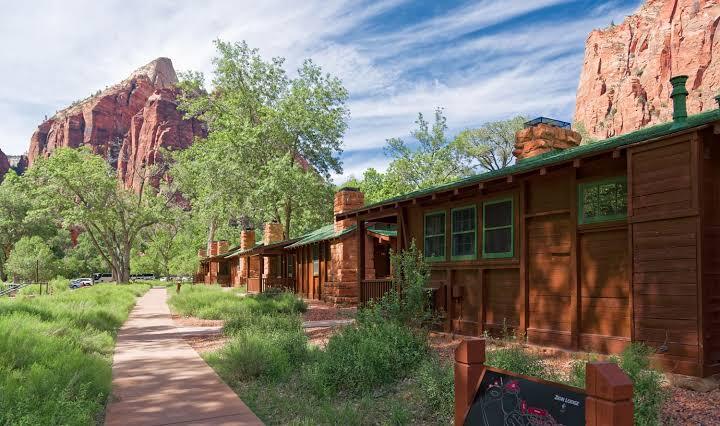
Compare that to a park like Zion National Park in Utah, which offers stunning canyon scenery but relies almost entirely on a single shuttle route through the main canyon, with far fewer lodging options inside the park itself. Banff’s mix of townsite comforts, multiple access points, and varied terrain gives travelers more flexibility to design a trip around their own pace, whether that means a leisurely gondola ride or a multi-day backcountry trek.
Best Time to Plan Your Banff National Park Vacation
Timing shapes your entire experience, so let’s break it down honestly.
- Summer (June–August): Warmest weather, full trail access, but the busiest crowds and highest prices.
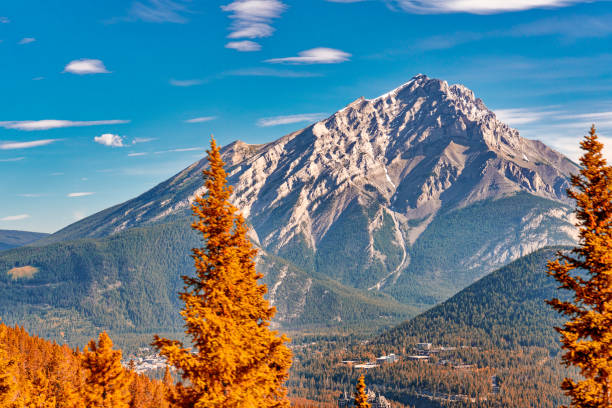
- Fall (September–early October): Golden larch trees, thinner crowds, and crisp air — arguably the most underrated season.
- Winter (December–March): Skiing, snowshoeing, and frozen waterfalls, with a quieter, magical atmosphere.
- Spring (April–May): Melting snow can limit high-altitude trails, but wildlife sightings pick up significantly.
If photography and hiking top your list, aim for late June through September. If you want fewer crowds without sacrificing beauty, September is a sweet spot many travelers overlook.
Top Experiences During Your Trip
Lake Louise and Moraine Lake
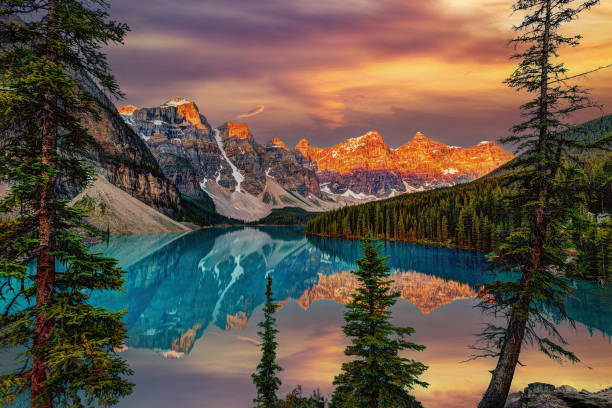
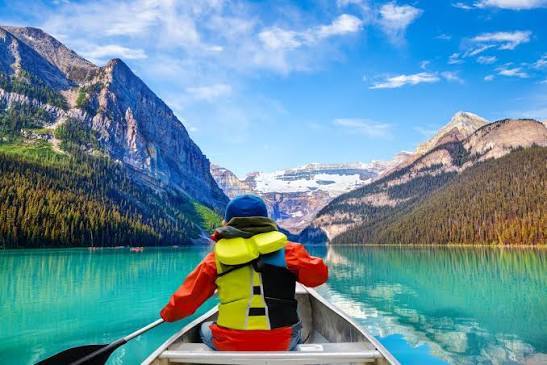
These two lakes are the postcard image of Banff for good reason. The glacial blue water looks almost artificial, and both spots offer canoeing, easy lakeside trails, and access to more demanding hikes like the Plain of Six Glaciers.
Sulphur Mountain Gondola
For panoramic views without a strenuous climb, the gondola near Banff townsite carries you nearly to the summit in under ten minutes. It’s an excellent option for travelers with limited mobility or tight schedules.
Johnston Canyon
A boardwalk trail winds along a narrow canyon to a series of waterfalls. It’s family-friendly, well-maintained, and busy for good reason — the scenery earns every bit of its popularity.
Wildlife Watching
Elk, bighorn sheep, and occasionally black bears appear near roadways and open meadows. Always view from a safe distance and never approach or feed animals.
Benefits of Choosing Banff for Your Next Getaway
- Diverse activities for hikers, skiers, photographers, and relaxation seekers alike
- Strong infrastructure, including shuttles, marked trails, and visitor centers
- Year-round appeal, so there’s rarely a truly “bad” time to visit
- Proximity to Calgary, cutting travel logistics down significantly
- Photogenic landscapes that genuinely look better in person than in photos
Common Mistakes First-Time Visitors Make
- Skipping a parking reservation at Moraine Lake or Lake Louise during peak summer hours, which often means turning back disappointed.
- Underestimating altitude effects, leading to fatigue on hikes that seem “easy” on paper.
- Packing for one season only, when mountain weather can shift dramatically within a single day.
- Trying to see everything in two days, which leaves you rushing instead of enjoying the park.
- Ignoring wildlife safety guidelines, which endangers both visitors and animals.
Avoiding these missteps alone can transform a stressful trip into a genuinely relaxing one.
Expert Tips for a Smooth Banff National Park Vacation
- Book accommodation and popular trail shuttles at least two to three months ahead for summer travel.
- Start hikes early morning to beat both crowds and afternoon thunderstorms.
- Carry bear spray and know how to use it if you’re venturing onto backcountry trails.
- Layer clothing, since temperatures can swing 15–20°F between morning and midday.
- Download offline maps, since cell service is patchy throughout much of the park.
Where to Stay: A Quick Comparison
| Accommodation Type | Best For | Average Price Range | Distance to Trails |
|---|---|---|---|
| Banff Townsite Hotels | First-timers, easy access to dining | $$$ | Moderate |
| Lake Louise Lodges | Iconic views, hiking enthusiasts | $$$$ | Very close |
| Canmore (nearby town) | Budget-conscious travelers | $$ | 20–25 min drive |
| Campgrounds | Adventurers, families on a budget | $ | Varies |
Choosing where to stay often comes down to balancing budget against convenience, and Canmore is a smart compromise for travelers who still want quick park access without townsite prices.
Planning a Banff National Park Vacation on a Budget
Banff can get expensive fast, but there are ways to trim costs without cutting the experience short. Staying in Canmore, cooking some meals instead of dining out every night, and using the park’s shuttle system instead of renting a car all add up to meaningful savings. Off-season travel also slashes lodging costs considerably.
Frequently Asked Questions
How many days do I need for a Banff National Park vacation?
Most travelers find four to five days sufficient to cover major highlights like Lake Louise, Moraine Lake, and Johnston Canyon without feeling rushed. If you want to include backcountry hikes or day trips to Yoho National Park, plan for a full week instead.
What is the best month to visit Banff National Park?
June through September offers the warmest weather and full trail access, while September specifically balances good weather with noticeably smaller crowds. Winter (December–March) is ideal if skiing or snowy landscapes are your priority.
Do I need a car to explore Banff?
A car offers the most flexibility, especially for reaching Moraine Lake or Johnston Canyon early. However, Banff’s shuttle system connects major attractions reasonably well during peak season, so a car isn’t strictly necessary.
Is Banff National Park good for families with young kids?
Yes, many trails like Johnston Canyon and Lake Louise’s shoreline path are stroller-friendly and manageable for young children. The gondola rides are also a great low-effort way for families to enjoy sweeping views together.
How much does a typical Banff National Park vacation cost?
Costs vary widely, but a mid-range trip for two people, including lodging, food, and park fees, typically runs between $1,500 and $3,000 for five to seven days. Budget travelers using Canmore lodging and self-catering can spend considerably less.
Are there entrance fees for Banff National Park?
Yes, Parks Canada charges a daily entry fee per person, with discounted annual passes available for frequent visitors. Fees help fund trail maintenance, wildlife conservation, and visitor services throughout the park.
Can I see wildlife safely during my visit?
Yes, but always maintain a safe distance — generally at least 30 meters from elk and 100 meters from bears. Never feed wildlife, as it disrupts natural behavior and can lead to dangerous encounters.
What should I pack for a Banff trip in summer?
Pack layered clothing, sturdy hiking shoes, sun protection, and a light rain jacket, since mountain weather shifts quickly. Bear spray is also recommended for anyone hiking beyond well-trafficked, short trails.
Summary
A well-planned Banff National Park vacation rewards travelers with some of the most breathtaking scenery Canada has to offer, provided you avoid the common pitfalls of overpacking your itinerary or underestimating mountain weather. Choose your season wisely, book key reservations early, and give yourself enough days to actually slow down and enjoy it. If you’re ready to start mapping out your trip, begin with your travel dates and accommodation, then build your day-by-day itinerary around Banff’s must-see lakes and trails.
Discover more trending content only on WorldSnipes.