




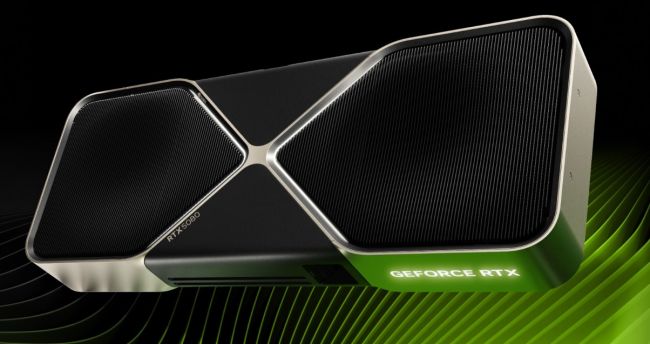
The RTX 5080 has been one of the most searched graphics cards of 2026, and for good reason. It sits right below NVIDIA’s flagship RTX 5090, yet it costs roughly half as much while still delivering serious 4K gaming muscle. If you’re trying to figure out whether this card deserves a spot in your next build, you’re not alone — thousands of gamers and creators are asking the exact same question this month.
This guide breaks down everything that actually matters: real specs, current pricing, honest benchmarks, and the mistakes people keep making when they buy one. No fluff, no recycled marketing copy — just a clear, practical look at what the RTX 5080 can and can’t do.
What Is the RTX 5080?
The RTX 5080 is NVIDIA’s second-tier Blackwell-architecture gaming GPU, sitting just under the RTX 5090. Built on TSMC’s 4N process node using the GB203 die, it replaces the RTX 4080 Super as NVIDIA’s go-to card for serious 4K gaming without flagship pricing.
Unlike a simple spec bump, the RTX 5080 introduces fourth-generation RT cores, fifth-generation Tensor cores, and full support for DLSS 4 with Multi Frame Generation. In practical terms, that means smoother ray tracing and noticeably higher frame rates in supported titles.
Why the RTX 5080 Matters for 4K Gamers
For anyone building a 4K rig, the RTX 5080 fills an important gap. It’s fast enough to hit high frame rates at maximum settings, yet it doesn’t demand the extreme power delivery or premium price tag the RTX 5090 does. That balance is exactly why it keeps showing up on “best GPU” shortlists this year.
RTX 5080 Specifications Explained
Here’s a quick rundown of the core hardware:
- Architecture: NVIDIA Blackwell (GB203 die, TSMC 4N)
- CUDA Cores: 10,752
- Memory: 16GB GDDR7 on a 256-bit bus
- Boost Clock: Roughly 2.3–2.6 GHz depending on the model
- TDP: Around 360W
- Connector: 16-pin (12V-2×6) power connector
- DLSS Support: DLSS 4 with Multi Frame Generation
The jump from GDDR6X to GDDR7 is one of the more meaningful upgrades here, since it boosts memory bandwidth significantly without increasing the VRAM capacity itself. That said, 16GB is still a limiting factor for heavier local AI workloads and some memory-hungry creative applications.
RTX 5080 Price in 2026
NVIDIA set the official MSRP at $999 for the Founders Edition. However, street pricing has been consistently higher throughout 2026, typically landing between $1,150 and $1,250 due to limited supply and broader DRAM shortages affecting the whole GPU market.
Custom AIB models with better cooling or factory overclocks can run anywhere from $1,100 to nearly $1,800. If you’re patient, tracking daily deal sites can save you $100–150 compared to impulse-buying at the first listing you see.
RTX 5080 Performance: What to Expect
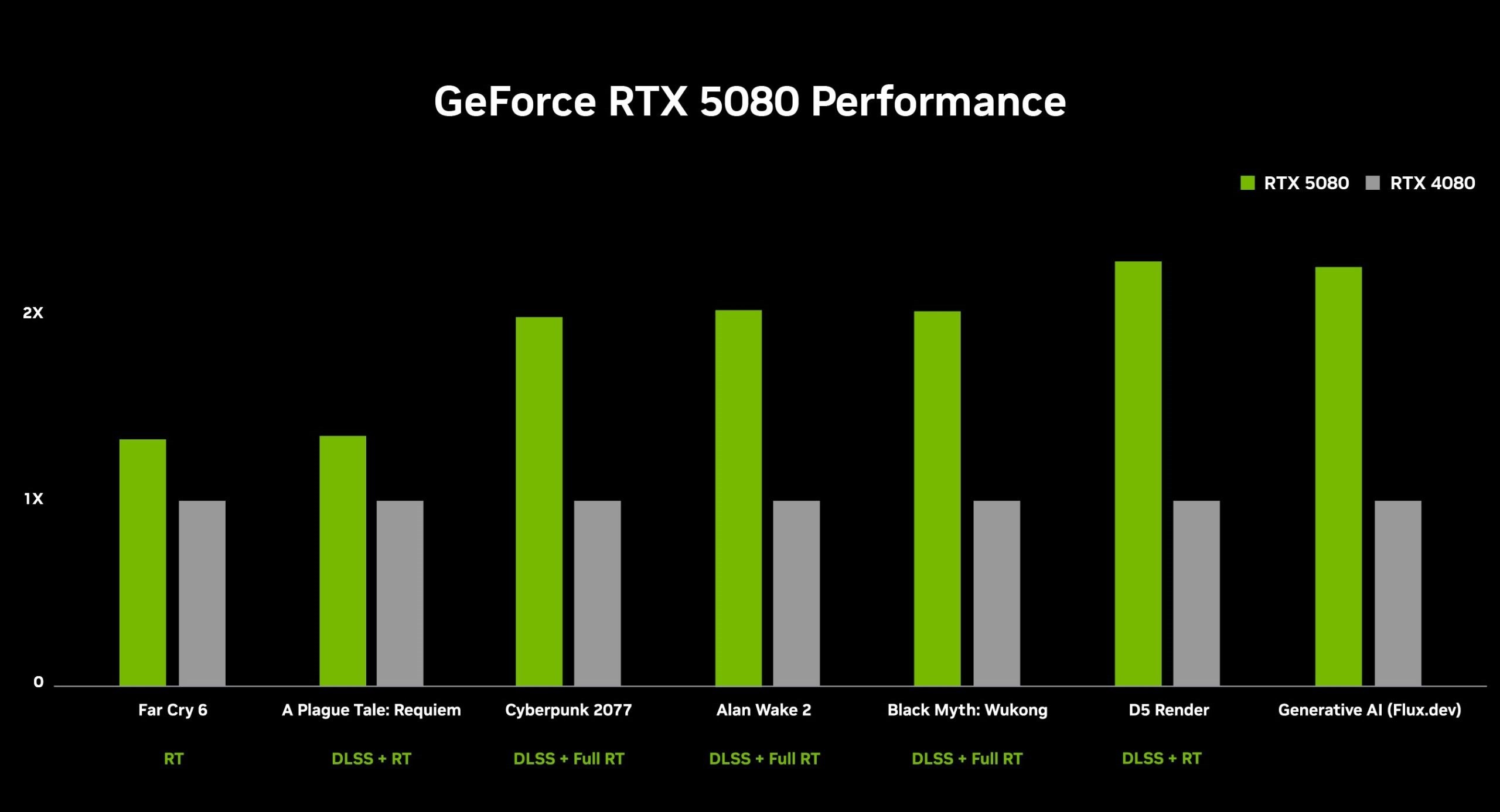
In real-world testing, the RTX 5080 handles 4K gaming at high or maximum settings comfortably in most current titles, especially with DLSS 4 enabled. At native 1440p, it’s arguably overkill — you’ll often be limited by your monitor’s refresh rate rather than the GPU itself.
Thermally, the card runs efficiently. With solid aftermarket cooling, temperatures typically stay in the 75–82°C range under sustained load, and fan noise remains modest at 30–36 dB. Power efficiency is genuinely impressive, exceeding 40 frames per watt in many gaming scenarios.
RTX 5080 for Content Creators and AI Workloads
Beyond gaming, the RTX 5080 is a reasonable pick for video editing, 3D rendering, and light AI inference work. It supports 4-bit and 8-bit quantized models reasonably well, but if your workflow depends on running larger models or heavy ComfyUI graphs, the 16GB VRAM ceiling will eventually hold you back — a 24GB or 32GB card would be the smarter long-term investment.
RTX 5080 vs RTX 4080 Super vs RX 9070 XT
| Feature | RTX 5080 | RTX 4080 Super | RX 9070 XT |
|---|---|---|---|
| Architecture | Blackwell | Ada Lovelace | RDNA 4 |
| VRAM | 16GB GDDR7 | 16GB GDDR6X | 16GB GDDR6 |
| MSRP | $999 | $999 | ~$750 |
| Ray Tracing | Strongest | Strong | Improved, still behind |
| Upscaling | DLSS 4 | DLSS 3.5 | FSR 4 |
| Best For | 4K gaming, creators | Budget 4K | Value-focused 4K |
The takeaway: if you already own an RTX 4080 Super, the upgrade isn’t dramatic — most benchmarks show only a 7–20% performance gain. New builders, on the other hand, get more value going straight for the RTX 5080 since pricing is nearly identical.
Benefits of the RTX 5080
- Strong 4K performance without RTX 5090 pricing
- DLSS 4 Multi Frame Generation boosts frame rates significantly
- Efficient power-to-performance ratio compared to previous generations
- GDDR7 memory bandwidth improves texture streaming and load times
- Solid thermal behavior even under extended gaming sessions
- Good fit for hybrid gaming-plus-content-creation builds
- Reasonably future-proofed for the next two to three years of AAA titles
Common Mistakes Buyers Make
- Buying at inflated street prices without comparison shopping. Prices swing by over $100 across retailers in the same week.
- Assuming 16GB VRAM is enough for heavy AI workloads. It’s fine for gaming, but memory-intensive AI projects may need more headroom.
- Pairing it with an undersized power supply. A 750W unit can technically work, but 850W–1000W gives safer overhead for transient spikes.
- Upgrading from an RTX 4080 Super expecting a huge leap. The real-world gain is often modest.
- Ignoring case airflow and clearance requirements. This is a large, three-slot card that needs proper spacing.
Expert Tips Before You Buy
- Wait for Black Friday or major sales events, as pricing has historically dipped closer to MSRP during these windows.
- Pair the RTX 5080 with a CPU that won’t bottleneck it — a recent Ryzen 7/9 or Intel Core i7/i9 is recommended.
- If your monitor tops out at 1440p, consider the RTX 5070 Ti instead; it delivers strong value without paying for 4K headroom you won’t use.
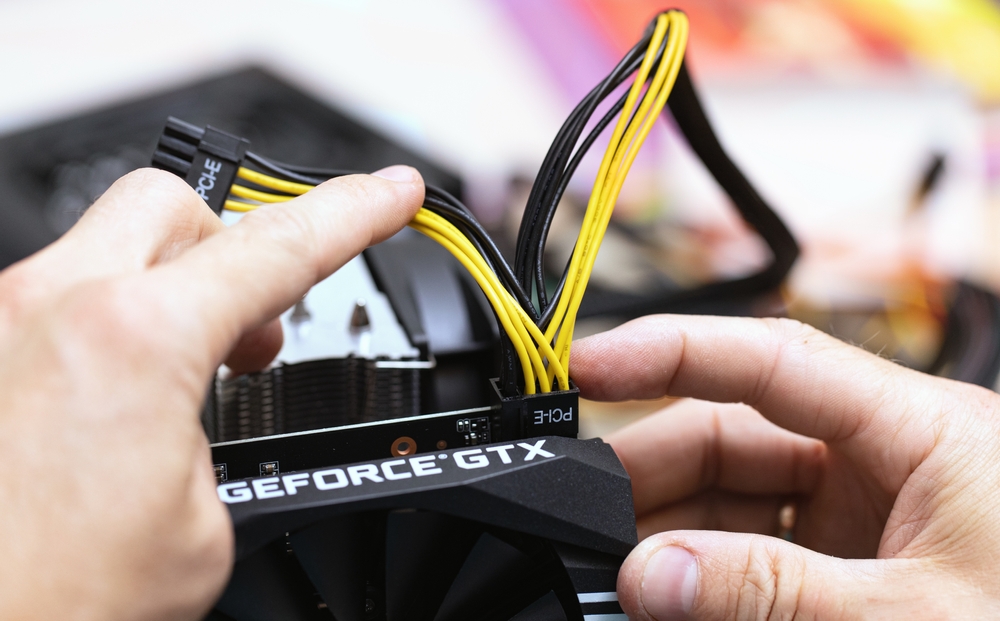
- Check the 16-pin power connector seating carefully during installation to avoid connector issues.
- If AI workloads matter to you, compare VRAM capacity across cards before committing, not just raw GPU speed.
Frequently Asked Questions
Is the RTX 5080 good for 4K gaming?
Yes, the RTX 5080 is well-suited for 4K gaming at high or maximum settings, especially when paired with DLSS 4. It won’t quite match the RTX 5090’s raw output, but it delivers strong frame rates in most modern titles while costing significantly less. For gamers who don’t need the absolute top-end performance, it’s widely considered the sweet spot in NVIDIA’s current lineup for 4K displays.
What is the RTX 5080 release price?
The RTX 5080 launched at an official MSRP of $999 for the Founders Edition. Custom partner cards started slightly higher, and ongoing supply constraints have pushed real-world street prices closer to $1,150–$1,250 throughout most of 2026. Buyers hoping to find it at true MSRP have generally had limited luck outside of brief restock windows.
How much VRAM does the RTX 5080 have?
The RTX 5080 comes with 16GB of GDDR7 memory on a 256-bit bus. This is sufficient for nearly all current games at 4K settings, but it can become a limiting factor for advanced AI workloads or extremely large creative projects that benefit from 24GB or more of video memory.
Is the RTX 5080 worth upgrading from an RTX 4080 Super?
For most owners, no. Benchmark testing shows only a 7–20% performance improvement over the RTX 4080 Super, which doesn’t usually justify the cost of switching. The RTX 5080 makes far more sense for new builds or upgrades from older cards like the RTX 3080 series, where the performance jump is much more substantial.
What power supply does the RTX 5080 need?
NVIDIA officially recommends a 750W power supply, but real-world testing suggests 850W offers more stable performance, particularly during power spikes under heavy load. For overclocking or future upgrades, a 1000W unit provides comfortable headroom without added risk.
How does the RTX 5080 compare to the RX 9070 XT?
The RX 9070 XT typically costs a few hundred dollars less while delivering similar 4K performance using AMD’s FSR 4 upscaling. The RTX 5080 pulls ahead in ray tracing quality and DLSS 4 features, making it the better choice for gamers who prioritize ray-traced visuals over price savings.
Can the RTX 5080 handle AI and machine learning tasks?
It can handle lighter AI inference work reasonably well, including running smaller quantized models. However, its 16GB VRAM ceiling limits its usefulness for larger models or heavy multi-step AI workflows, where cards with 24GB or 32GB of memory offer a clear advantage.
Should I buy the RTX 5080 now or wait for a Ti version?
If you need a GPU now, the RTX 5080 is a solid, dependable choice. However, if you can wait, rumors of a Ti variant with meaningful performance gains suggest patience could pay off for buyers who aren’t in a rush to upgrade immediately.
Final Verdict
The RTX 5080 earns its reputation as one of the most balanced graphics cards of 2026. It isn’t a revolutionary leap over its predecessor, but it doesn’t need to be — it delivers dependable 4K performance, efficient power use, and genuinely useful AI-driven features through DLSS 4, all at a price that undercuts the flagship RTX 5090 significantly.
If you’re building a new 4K gaming rig or upgrading from an older RTX 30-series card, the RTX 5080 is a smart, future-ready pick. Compare current prices across a few retailers, choose a model with strong cooling, and you’ll likely be happy with this card for the next several years.
Discover more trending content only on WorldSnipes.