



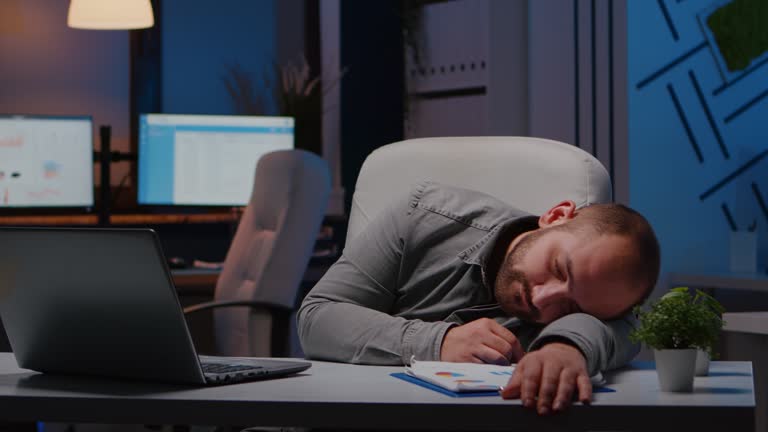
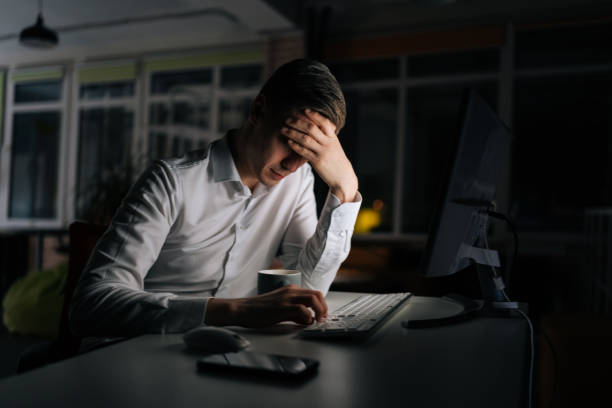
Startup sleep is the one metric most founders forget to track. They obsess over burn rate, churn, and daily active users, but they ignore the resource that actually powers all of it: rest. Late nights, back-to-back calls, and the constant pressure to “just push through one more sprint” turn poor sleep into a badge of honor in startup culture. The problem is that this badge comes at a steep cost.
Sleep deprivation doesn’t just make founders tired. It slows decision-making, weakens emotional regulation, and quietly erodes the creativity that startups depend on to survive their first few years. If you’re building a company right now, your startup sleep habits may matter just as much as your product roadmap.
This guide breaks down why startup sleep gets sacrificed so easily, the real cost of ignoring it, and practical, research-backed habits founders can use to protect their sleep without slowing down their business.
Why Startup Sleep Gets Sacrificed So Easily
Founders operate in an environment built for urgency. Investors want traction. Customers want fast fixes. Co-founders want alignment at 11 p.m. because that’s when everyone finally has a free moment. Over time, sleep becomes the flexible variable — the thing that gets shortened first when the to-do list grows.
There’s also a cultural story at play. Many founders believe hustle equals sacrifice, and sacrifice must include sleep. Social media reinforces this with stories of entrepreneurs who “only slept four hours a night” during their most explosive growth phase. What rarely gets mentioned is the burnout, health scares, or slower long-term output that often followed.
The Hidden Cost of Poor Startup Sleep
Chronic sleep loss affects the prefrontal cortex, the part of the brain responsible for judgment, planning, and impulse control. For a founder, that means weaker negotiation skills, poor hiring decisions, and a shorter fuse during high-stakes conversations with investors or customers.
Physically, inadequate rest raises cortisol levels, which can increase anxiety and disrupt appetite regulation. Combine that with the caffeine-heavy diet common in startup culture, and you get a founder who feels “wired but tired” — unable to relax, yet unable to perform at full capacity either.
Benefits of Prioritizing Startup Sleep
Protecting your sleep isn’t a luxury; it’s a competitive advantage. Founders who prioritize rest tend to see measurable gains across several areas.
- Sharper decision-making. Well-rested founders process complex trade-offs faster and with fewer errors.
- Better emotional regulation. Sleep helps regulate the amygdala, reducing reactive or defensive responses during stressful meetings.
- Stronger creativity. REM sleep supports the kind of associative thinking that leads to product breakthroughs.
- Improved physical health. Consistent sleep lowers the risk of hypertension and metabolic issues linked to chronic stress.
- Higher team morale. Founders who model healthy boundaries encourage the same behavior across their teams, reducing company-wide burnout.
Common Mistakes Founders Make With Sleep
Even well-intentioned founders fall into predictable traps that damage their sleep quality.
- Treating sleep as a reward instead of a requirement. Sleep gets pushed to “after the launch” or “after the fundraise,” which never actually arrives.
- Using screens right before bed. Blue light exposure delays melatonin release, making it harder to fall asleep even when exhausted.
- Relying on caffeine to mask fatigue. This creates a cycle where poor sleep leads to more caffeine, which further disrupts sleep.
- Inconsistent sleep and wake times. Irregular schedules confuse the body’s circadian rhythm, making rest less restorative.
- Ignoring naps entirely or overdoing them. Short naps can help; long, poorly timed naps can make nighttime sleep worse.
Expert Tips for Better Startup Sleep
Sleep specialists and productivity researchers consistently point to a few practical strategies that work well for high-pressure founders.
Build a Wind-Down Ritual
Give your brain a clear signal that the workday is over. This could be a 15-minute walk, journaling three open loops from the day, or reading something unrelated to work. Consistency matters more than the specific activity.
Protect a Fixed Wake-Up Time
Founders often think a flexible schedule is a perk, but irregular wake times are one of the biggest disruptors of sleep quality. Anchoring your wake-up time — even on weekends — helps regulate your circadian rhythm and makes falling asleep easier at night.
Set a Caffeine Cutoff
Caffeine has a half-life of roughly five to six hours. An afternoon coffee can still be affecting your system at bedtime. Many founders find that cutting caffeine after 2 p.m. noticeably improves sleep onset.
Time-Box Late-Night Work
Instead of an open-ended “I’ll work until it’s done” approach, set a hard stop. Time-boxing forces prioritization during the day and protects the hours your brain needs to recover.
Startup Sleep vs. Traditional Corporate Sleep Habits
| Factor | Startup Founders | Traditional Corporate Employees |
|---|---|---|
| Average nightly sleep | 5–6 hours | 6.5–7.5 hours |
| Work schedule flexibility | High, but often abused | Lower, but more structured |
| Common sleep disruptors | Fundraising stress, always-on culture | Commute stress, fixed deadlines |
| Recovery tools used | Naps, caffeine, energy drinks | Weekends, PTO, set office hours |
| Long-term burnout risk | Higher | Moderate |
This comparison highlights why startup sleep deserves deliberate attention rather than being left to chance. The lack of built-in structure that a traditional job provides means founders have to create their own boundaries.
Frequently Asked Questions
1. Why is startup sleep so important for founders?
Startup sleep directly affects cognitive performance, emotional regulation, and physical health. Founders make dozens of high-stakes decisions daily, and sleep deprivation weakens the exact brain functions needed for sound judgment. Prioritizing rest helps founders sustain the mental clarity, creativity, and resilience required to navigate the unpredictable early stages of building a company without burning out.
2. How many hours of sleep do successful founders actually get?
Most sleep experts recommend seven to nine hours nightly, though many founders average closer to five or six during intense growth phases. While short-term sacrifice may feel necessary during a launch or fundraising round, sustained sleep deprivation typically reduces productivity and increases the risk of costly mistakes over time.
3. Can naps replace lost nighttime sleep for founders?
Short naps of 15 to 20 minutes can restore alertness and improve mood, making them useful during demanding weeks. However, naps cannot fully replace the deep and REM sleep stages that occur during a full night’s rest. Founders should treat naps as a supplement, not a substitute, for consistent nighttime sleep.
4. What’s the biggest startup sleep mistake founders make?
The most common mistake is treating sleep as optional rather than essential. Founders often delay rest until after a milestone, not realizing that chronic sleep debt compounds and eventually slows them down more than a few extra hours of work would have helped in the short term.
5. Does poor sleep really affect business decisions?
Yes. Sleep deprivation impairs the prefrontal cortex, the brain region responsible for planning, risk assessment, and impulse control. Founders running on insufficient sleep are more likely to misjudge risks, react emotionally in negotiations, and make hiring or spending decisions they later regret.
6. How can founders improve startup sleep without losing productivity?
Improving startup sleep doesn’t require working less; it requires working smarter. Time-boxing tasks, setting a caffeine cutoff, and protecting a consistent wake-up time all help founders sleep better while still meeting deadlines. Better sleep often increases output because focus and efficiency improve.
7. Is it normal for founders to struggle with sleep during fundraising?
It’s common, but not inevitable. Fundraising brings uncertainty and high stress, which naturally disrupts sleep. Founders who maintain a wind-down routine and consistent sleep schedule during this period tend to recover faster and perform better in investor meetings than those who let sleep slide entirely.
8. What role does light exposure play in startup sleep?
Light exposure heavily influences circadian rhythm. Bright screens late at night delay melatonin production, while natural morning light helps regulate the sleep-wake cycle. Founders who get sunlight early in the day and dim screens in the evening typically report falling asleep faster and waking up more refreshed.
Summary
Startup sleep isn’t a side conversation; it’s part of the foundation that keeps founders sharp, resilient, and capable of leading through uncertainty. The habits that protect sleep — consistent wake times, wind-down rituals, smarter caffeine use, and time-boxed workdays — are small enough to start today but powerful enough to change how you show up for your company. If you’re serious about building something that lasts, start treating your sleep with the same discipline you bring to your product roadmap. Your next big decision might depend on it.
Discover more trending content only on WorldSnipes.