




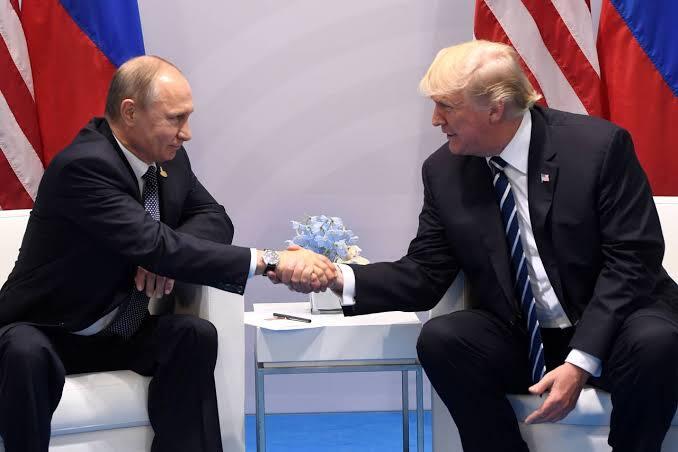
The Trump Putin meeting has become one of the most talked-about diplomatic stories of the decade. Since the historic Anchorage summit in August 2025, the world has watched closely as two of the most powerful leaders on the planet have tried, stumbled, and tried again to find common ground on the war in Ukraine.
For ordinary readers, the back-and-forth can feel confusing. One week there’s talk of a breakthrough. The next, everything seems to fall apart. This article breaks it all down in plain language — what actually happened, why it matters, and where things stand right now.
Whether you’re a student researching current events, a policy enthusiast, or someone simply trying to make sense of the headlines, this guide gives you a clear, accurate, and up-to-date picture of the Trump Putin meeting saga.
What Was the Trump Putin Meeting?
The original Trump Putin meeting took place on August 15, 2025, at Joint Base Elmendorf-Richardson in Anchorage, Alaska. It marked the first time Putin had set foot in a Western country since Russia’s full-scale invasion of Ukraine in 2022. The stated goal was straightforward: find a path toward ending the Russo-Ukrainian war.
Instead of a strict one-on-one conversation, the meeting shifted into a three-on-three format, with Secretary of State Marco Rubio and Special Envoy Steve Witkoff joining Trump, while senior Russian officials stood alongside Putin. A red carpet, F-22 fighter jets, and a stage marked “ALASKA 2025” set a dramatic scene for what many hoped would be a turning point.
Why This Meeting Made Global Headlines
No sitting Russian president had visited the United States in this capacity in years. Putin, who faces an International Criminal Court arrest warrant, was welcomed on American soil — a symbolic win that analysts said restored some of his standing after years of international isolation.
Timeline of Key Events
Understanding the Trump Putin meeting requires looking at the full sequence of events, not just a single day.
- August 15, 2025 – The Anchorage summit takes place. No formal agreement is announced.
- Late 2025 – Reports surface that Washington is quietly drafting a new peace framework for Ukraine.
- January 2026 – Trump’s envoys, Witkoff and Kushner, hold a four-hour meeting with Putin at the Kremlin, followed by trilateral talks with Ukrainian officials in Abu Dhabi.
- May 2026 – Putin visits Beijing days after Trump’s own summit with Xi Jinping, a move widely read as Russia and China coordinating their response to Washington.
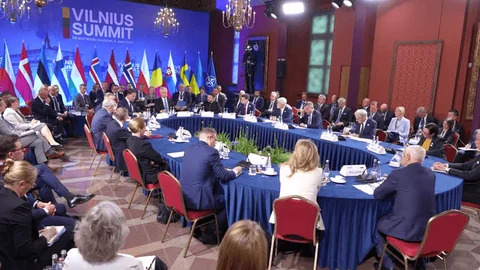
- July 2026 – Trump and Putin hold a lengthy phone call ahead of a NATO summit in Ankara, with Trump again offering to help broker an end to the conflict.
This slow, uneven rhythm of talks, pauses, and renewed contact defines the entire relationship.
Why the Anchorage Summit Mattered
The Alaska summit wasn’t just a photo opportunity. It set the tone for everything that followed. Trump’s minimum goal was a temporary ceasefire, but that outcome never materialized. Still, the meeting gave both leaders something to work with going forward: a shared, if informal, understanding of what a future deal might look like.
Critics were quick to note that the summit produced no binding commitments. Supporters argued that simply getting both leaders in the same room was progress, given how frozen diplomatic channels had become.
The Territorial Sticking Point
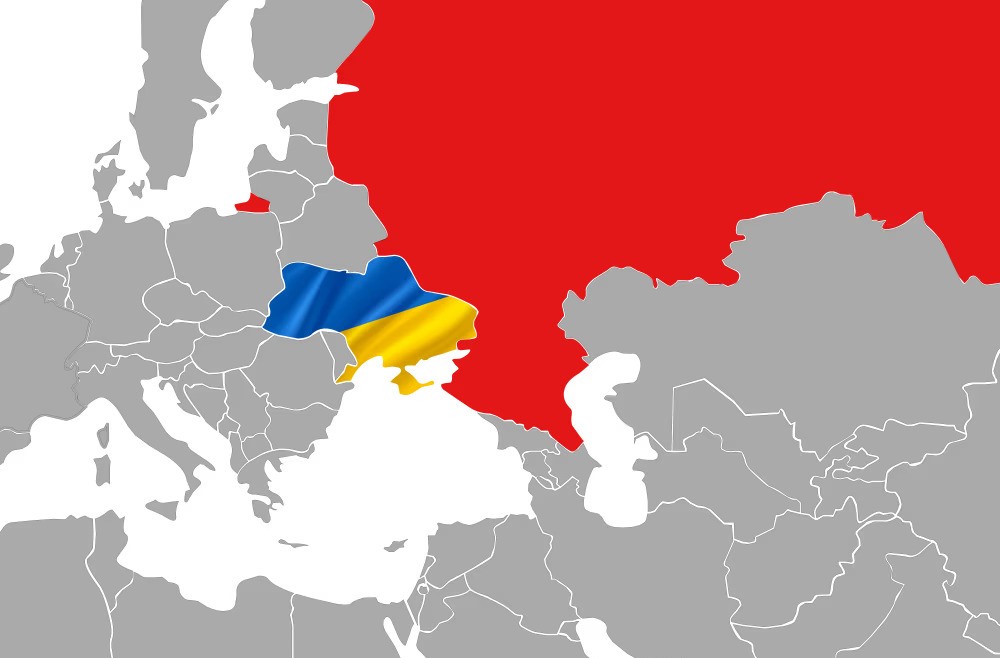
One issue has repeatedly stalled progress: Russia’s insistence that Ukraine cede the entire Donbas region. Russian officials have stated plainly that without resolving this territorial question, there is little chance of a lasting settlement. This single issue remains the central obstacle in every round of talks since Anchorage.
What Is the “Spirit of Anchorage”?
After the summit, Russian officials coined the phrase “spirit of Anchorage” to describe an alleged set of understandings reached between the two leaders. For months, Russian state media used the phrase to suggest that quiet progress was being made behind closed doors.
By mid-2026, however, even Putin’s own foreign policy aide distanced himself from the term. As frustrations grew — particularly after Putin rejected a public peace proposal from Ukraine’s president — both sides effectively admitted the phrase no longer reflected reality.
Recent Developments in 2026
The most recent chapter in the Trump Putin meeting story involves renewed phone diplomacy rather than an in-person summit. In early July 2026, the two leaders spoke for nearly 90 minutes ahead of a NATO gathering in Ankara. Trump reportedly renewed his offer to help find a resolution, while Russian officials described the call as constructive, though rooted firmly in Moscow’s existing territorial demands.
Meanwhile, battlefield conditions have shifted. Ukraine has carried out strikes on Russian oil infrastructure, triggering fuel shortages in several regions, while Russian forces have reported gains in eastern Ukraine. This mix of battlefield pressure and diplomatic contact continues to shape whether another face-to-face meeting is likely.
Benefits of Continued Diplomacy
Even without a final peace deal, ongoing talks in the Trump Putin meeting saga carry real value:
- Keeps communication channels open, reducing the risk of miscalculation.
- Creates space for humanitarian arrangements, such as prisoner exchanges.
- Signals to allies and adversaries that diplomatic options remain on the table.
- Provides a framework that future negotiations can build on, rather than starting from zero.
Common Mistakes People Make When Interpreting These Talks
- Assuming a meeting equals a peace deal. Talks and agreements are not the same thing.
- Ignoring the territorial dispute. Any analysis that skips the Donbas issue misses the core obstacle.
- Overreacting to single phone calls. One conversation rarely changes the overall trajectory.
- Forgetting the regional context. Russia’s relationships with China and other allies directly influence its negotiating posture.
Expert Tips for Following the Story Accurately
- Follow primary sources like official White House and Kremlin statements rather than secondhand summaries.
- Track battlefield developments alongside diplomatic news; the two are closely linked.
- Watch for language shifts from Russian officials, since phrases like “spirit of Anchorage” often signal changing strategy.
- Compare statements from multiple outlets to spot bias before drawing conclusions.
Comparison Table: Alaska Summit vs. Later Talks
| Feature | Anchorage Summit (Aug 2025) | Later Talks (2026) |
|---|---|---|
| Format | In-person, three-on-three | Phone calls and envoy meetings |
| Location | Alaska, USA | Kremlin, Abu Dhabi, remote |
| Outcome | No formal agreement | Continued dialogue, no deal |
| Key Issue | General war resolution | Donbas territorial dispute |
| Tone | Symbolic, high-profile | Businesslike, lower-key |
Frequently Asked Questions
1. When did the first Trump Putin meeting take place?
The first major in-person Trump Putin meeting took place on August 15, 2025, at Joint Base Elmendorf-Richardson in Alaska. It was billed as a summit focused on ending the war in Ukraine and marked Putin’s first visit to a Western country since the 2022 invasion. While no formal agreement was signed, the meeting set the stage for months of follow-up diplomacy between Washington and Moscow.
2. Did the Trump Putin meeting result in a peace deal?
No. The Anchorage summit did not produce a signed peace agreement or even a temporary ceasefire, which was reportedly Trump’s minimum goal going in. Instead, it created an informal understanding — later dubbed the “spirit of Anchorage” — that shaped subsequent talks without translating into a binding resolution to the conflict.
3. What is the “spirit of Anchorage”?
The “spirit of Anchorage” is a term coined mainly by Russian officials to describe informal understandings reached during the 2025 summit. It was used for months to suggest quiet diplomatic progress was underway. By 2026, however, Russian officials themselves began distancing from the phrase after it became clear no real breakthrough had occurred.
4. Why does the Donbas region matter so much in these talks?
Russia has consistently demanded that Ukraine cede the entire Donbas region as a condition for any long-term settlement. This single issue has become the central sticking point across every round of negotiations since the Anchorage summit, making it one of the most important factors to understand when following the story.
5. Have Trump and Putin met again since Anchorage?
There has been no second in-person summit as of mid-2026, but the two leaders have maintained contact through phone calls, including a lengthy call in July 2026 ahead of a NATO summit in Ankara. Envoys from both sides have also held direct meetings, including a notable Kremlin session in January 2026.
6. How does China factor into the Trump Putin meeting story?
Russia’s relationship with China has become an important backdrop to US-Russia diplomacy. Putin’s visits to Beijing, including one shortly after a separate Trump-Xi summit, have been widely interpreted as Moscow and Beijing coordinating their responses to shifting American foreign policy.
7. Is a new Trump Putin summit expected soon?
While envoys continue shuttle diplomacy and phone calls persist, no confirmed date for a second full summit has been announced. Analysts suggest another meeting is possible if progress is made on the territorial dispute, but battlefield conditions and shifting alliances make timing hard to predict.
8. Where can I find reliable updates on this story?
Official statements from the White House and the Kremlin, along with established outlets like Reuters, Axios, and the Associated Press, remain the most reliable sources. Cross-checking multiple outlets helps avoid misinformation on a fast-moving diplomatic story.
Summary
The Trump Putin meeting story is far from over. What began as a dramatic summit in Alaska has evolved into a long, uneven process of calls, envoy visits, and shifting rhetoric — with the Donbas territorial dispute still standing at the center of it all. Real progress will likely depend on battlefield developments as much as diplomatic goodwill.
If you want to stay informed, keep following verified news sources and revisit this guide as new developments unfold. Have questions about how this affects global markets or your region? Drop them in the comments, and we’ll keep this article updated with the latest reporting.
Discover more trending content only on WorldSnipes.