



If you’ve been trying to keep up with Iran news this week, you’re not alone. The situation in the Middle East is shifting by the hour, and honestly, it’s hard to separate the signal from the noise. Between military strikes, oil price swings, and diplomatic standoffs, the latest Iran news cycle has moved faster than most people can track.
This article breaks down exactly what’s happening right now, why it matters, and what experts think could come next. We’ll keep it factual, current, and easy to follow — no jargon, no filler.
Why Iran News Is Dominating Headlines Right Now
The short answer? A full-blown conflict between the United States and Iran is actively unfolding, and it’s touching everything from global oil prices to international shipping lanes.
US airstrikes on Iran have continued for well over a week, following Tehran’s attacks on ships passing through the Strait of Hormuz. By late July, CENTCOM confirmed a thirteenth straight night of American strikes on Iranian territory. That’s a sustained military campaign, not an isolated incident — and it’s the main reason Iran news searches have spiked worldwide.
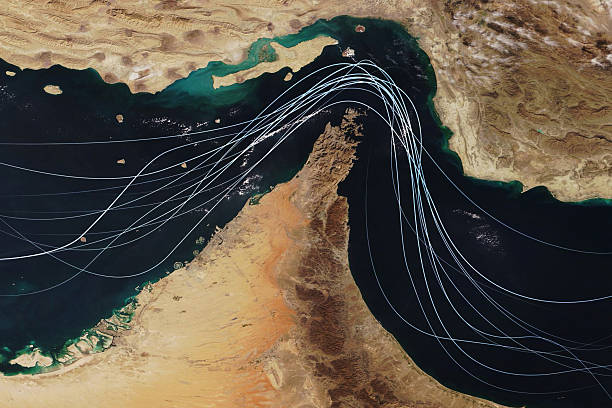
The Strait of Hormuz Is the Flashpoint
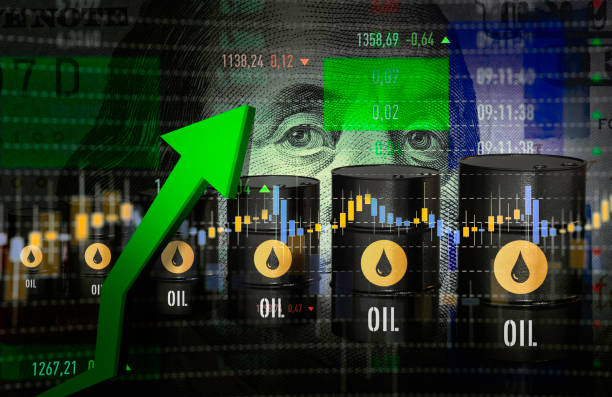
Nearly a fifth of the world’s oil passes through this narrow waterway. US forces have redirected a dozen vessels since resuming their blockade posture in the region, and oil prices have climbed past $100 a barrel amid the escalation. If you’ve noticed gas prices creeping up lately, this is very likely why.
Timeline: How We Got Here
Understanding today’s Iran news requires a quick look back at how the conflict escalated.
- Late February 2026: Ali Khamenei, Iran’s supreme leader, was killed in a series of Israeli airstrikes targeting senior Iranian officials in Tehran, in an operation supported by US intelligence and military assets.
- Early March 2026: Iran’s Assembly of Experts held an election from March 3 to 8, ultimately announcing Mojtaba Khamenei, son of Ali Khamenei, as the country’s new supreme leader.
- Mid-2026: The US State Department issued a worldwide travel caution as fighting between the US and Iran intensified, while Vice President JD Vance, the administration’s lead negotiator, argued that airstrikes alone couldn’t fully dismantle Iran’s ability to threaten shipping in the Strait of Hormuz.
- July 2026: Iran launched missiles toward Jordan’s port city of Aqaba, with Jordanian air defenses intercepting three of them, prompting further rounds of American strikes on Iranian coastal cities.
Who Leads Iran Now?
This is one of the most searched Iran news questions right now. Mojtaba Khamenei has served as supreme leader since March 8, 2026. His path to power wasn’t smooth — reports indicate his own father had privately opposed a son-to-son succession, worried it would look too much like hereditary rule. Iran also formed an interim leadership council that included senior cleric Alireza Arafi, President Masoud Pezeshkian, and the country’s chief justice in the days after Khamenei’s death.
Latest Developments You Should Know
1. Strikes Are Ongoing, Not One-Off
CENTCOM has now conducted twelve or more consecutive nights of strikes on Iranian targets. This is a sustained campaign, and it’s shaping nearly every other data point in the news cycle.
2. A Ceasefire Doesn’t Look Imminent
President Trump signaled that a ceasefire isn’t coming anytime soon, saying Iran “needs more of the same” and that its leadership has “some evil intentions”. He also told Axios he was considering a “massive attack” and was close to making a final decision.
3. The UN Is Pushing for De-escalation
UN Secretary-General António Guterres described the situation as “getting out of control,” calling for the fighting to stop and for diplomacy to take over.
4. Casualties and Injuries Are Mounting
The Pentagon reported nearly 100 US service members injured, mostly minor, since fighting intensified in July.
5. Regional Spillover Is a Real Risk
Israeli officials have repeatedly warned they’ll respond “without any dependence or conditions” if Iran strikes Israeli territory, raising fears the conflict could widen beyond the current front.
6. Oil Markets Are Reacting Fast
Crude oil topped $100 a barrel as tensions around Red Sea and Gulf shipping routes escalated further.
7. Diplomatic Channels Haven’t Fully Closed
Despite the fighting, US and Iranian delegations entered negotiations in June aimed at a war-ending deal built around a signed memorandum of understanding. That thread of diplomacy is thin, but it hasn’t snapped entirely.
Benefits of Following Verified Iran News Sources
Staying informed isn’t just about curiosity — it has practical value:
- Financial planning: Oil price swings affect fuel, travel, and household budgets.
- Travel safety: Government advisories change quickly during active conflicts.
- Informed civic engagement: Understanding the facts helps you evaluate policy debates critically.
- Avoiding misinformation: Verified Iran news keeps you from spreading rumors on social media.
Common Mistakes People Make Following This Story
- Relying on a single source. Breaking war coverage moves fast, and early reports are often revised.
- Confusing official statements with confirmed facts. Government and military statements reflect one side’s framing.
- Ignoring dates on articles. Because this story evolves daily, an article from two weeks ago may already be outdated.
- Assuming social media clips show real-time events. Old footage is frequently recirculated during conflicts.
Expert Tips for Following Fast-Moving Iran News
- Cross-check with wire services like Reuters or AP, which prioritize verified reporting.
- Watch primary sources — official CENTCOM statements, UN briefings, and state media give you the raw claims before analysis is layered on.
- Track oil and shipping data as a leading indicator of how markets are pricing in risk.
- Bookmark a live-updates page from a major outlet rather than relying on scattered headlines.
Quick Comparison: Where to Get Reliable Iran News
| Source Type | Best For | Update Frequency |
|---|---|---|
| Wire services (Reuters, AP) | Verified, fast facts | Continuous |
| Major news live blogs | Context and timelines | Hourly |
| Government/military statements | Official positions | As released |
| Think tank analysis (Carnegie, Atlantic Council) | Deeper context and forecasting | Daily/weekly |
| Social media | Real-time but unverified leads | Instant (verify first) |
Frequently Asked Questions
What is the latest Iran news right now?
The latest Iran news centers on an active military conflict between the United States and Iran, now well into a second week of consecutive US airstrikes. The strikes are aimed at degrading Iran’s ability to threaten shipping through the Strait of Hormuz, while oil prices have surged past $100 a barrel and diplomatic efforts have stalled without a confirmed ceasefire.
Who is Iran’s supreme leader today?
Mojtaba Khamenei has led Iran as supreme leader since March 8, 2026, following his father Ali Khamenei’s death in an airstrike during the escalating conflict. He was selected by Iran’s Assembly of Experts after a short but closely watched succession process.
Why is the Strait of Hormuz important in Iran news coverage?
The Strait of Hormuz is one of the world’s busiest oil transit routes. Roughly a fifth of global oil supply passes through it, so any disruption — attacks on ships, blockades, or military strikes nearby — has an immediate ripple effect on global energy prices and supply chains.
Is a ceasefire between the US and Iran likely soon?
Based on recent statements, a ceasefire doesn’t appear imminent. US leadership has publicly said Iran “needs more of the same” military pressure before any deal is realistic, even as United Nations officials continue urging both sides to return to diplomacy.
How is the conflict affecting oil prices?
Oil prices have climbed above $100 a barrel as the conflict has intensified, driven largely by fears over disruptions to shipping through the Strait of Hormuz and broader instability across the Gulf region.
Are other countries getting pulled into the conflict?
There’s real risk of regional spillover. Iran has launched missiles toward Jordan, and Israeli officials have warned they will respond forcefully to any Iranian attacks, which could widen the conflict beyond its current scope.
How can I verify Iran news I see on social media?
Cross-check any viral claim against at least one major wire service or a live-updates page from an established outlet before sharing it. Old footage and unverified claims circulate quickly during active conflicts, so treat single-source social posts with caution.
What role has the United Nations played so far?
UN Secretary-General António Guterres has publicly called the situation “getting out of control,” urging an end to the fighting and a return to diplomacy as the primary path forward, though the UN has no direct enforcement power over either side.
Summary
The bottom line: Iran news right now is dominated by an active, escalating military conflict with real consequences for global oil markets, regional stability, and diplomatic relations. From ongoing US airstrikes to a leadership transition in Tehran to rising oil prices, this is a story that changes daily — which makes reliable, verified sources more important than ever.
Want to stay ahead of the next major development? Bookmark this page and check back regularly, or subscribe to a trusted wire service’s live-updates feed so you’re never caught off guard by the next headline.
Discover more trending content only on WorldSnipes.