




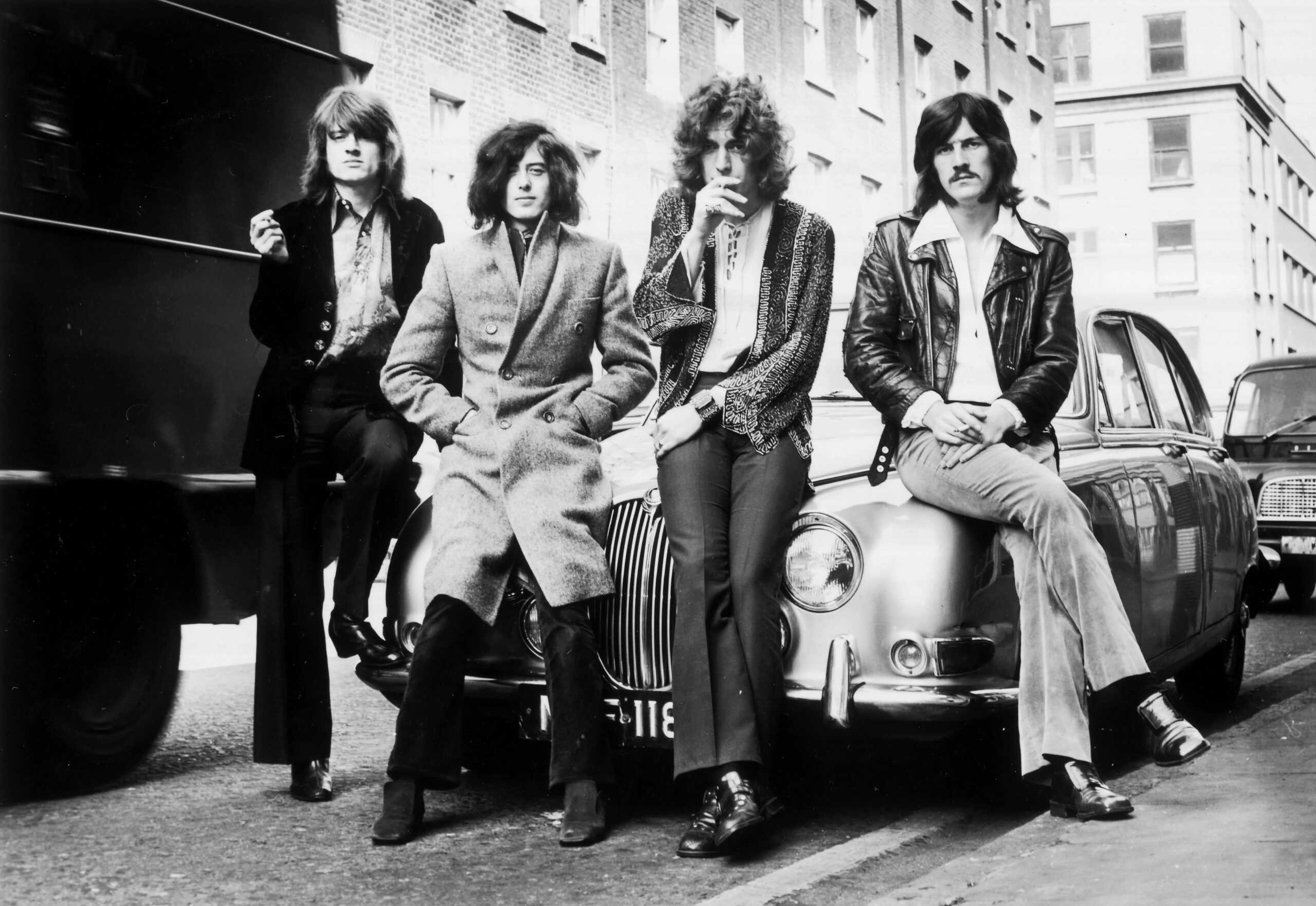
Few bands in rock history carry the same weight as Led Zeppelin. Ask any music fan to name the greatest rock acts of all time, and Led Zeppelin almost always makes the list. But behind the thunderous drums, soaring vocals, and iconic riffs were four distinct musicians whose chemistry created something bigger than any single talent. Understanding the Led Zeppelin members isn’t just a trivia exercise — it’s a window into how modern rock music was built. In this article, we’ll break down who each member was, what they contributed, and why their partnership still influences musicians today.
Who Are the Led Zeppelin Members?
Led Zeppelin was formed in London in 1968, and the classic lineup consisted of four musicians: Robert Plant, Jimmy Page, John Paul Jones, and John Bonham. Each member brought a unique skill set to the table, and together they created a sound that blended blues, folk, and hard rock into something entirely new.
Unlike many bands that cycle through members over the years, Led Zeppelin members lineup remained remarkably stable throughout its active run. This consistency played a major role in the band’s tight musicianship and unmistakable identity.
Robert Plant — The Voice of Led Zeppelin
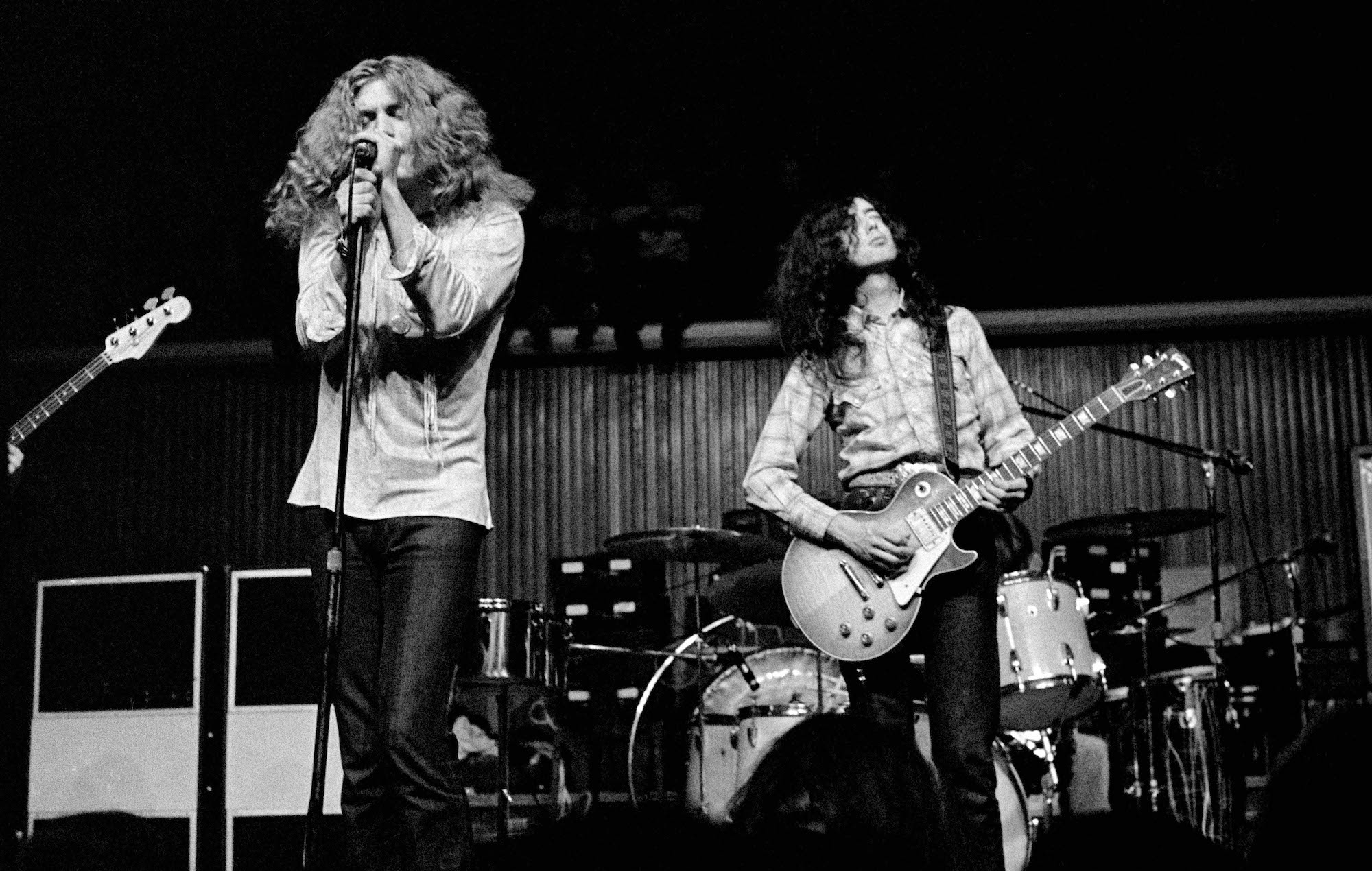
Robert Plant served as the band’s lead vocalist and lyricist. Known for his powerful, wailing vocal range, Plant became one of the most imitated singers in rock history. His lyrics often drew from mythology, fantasy literature, and blues traditions, giving Led Zeppelin’s songs a poetic, almost mystical quality.
Plant’s stage presence also helped define the image of the rock frontman for generations to come. After the band’s dissolution, he continued a successful solo career, later earning critical acclaim for his collaboration with bluegrass artist Alison Krauss.
John Paul Jones — The Multi-Instrumental Backbone
Often underappreciated compared to his bandmates, John Paul Jones was arguably the most musically versatile member. As a bassist, keyboardist, and arranger, Jones added depth and complexity to Led Zeppelin’s sound that went far beyond typical rock instrumentation.
His classical training and experience as a session arranger allowed him to bring orchestral elements into tracks, giving songs like “Kashmir” their sweeping, cinematic feel.
Jimmy Page — The Guitar Architect
Jimmy Page wasn’t just the guitarist; he was the band’s founder, producer, and creative visionary. Before forming Led Zeppelin, Page had already built a reputation as a session musician and member of The Yardbirds.
Page’s guitar work combined blues-based riffs with experimental techniques, including his famous use of a violin bow on the guitar strings. His production choices also shaped the raw, layered sound that became a Led Zeppelin trademark.
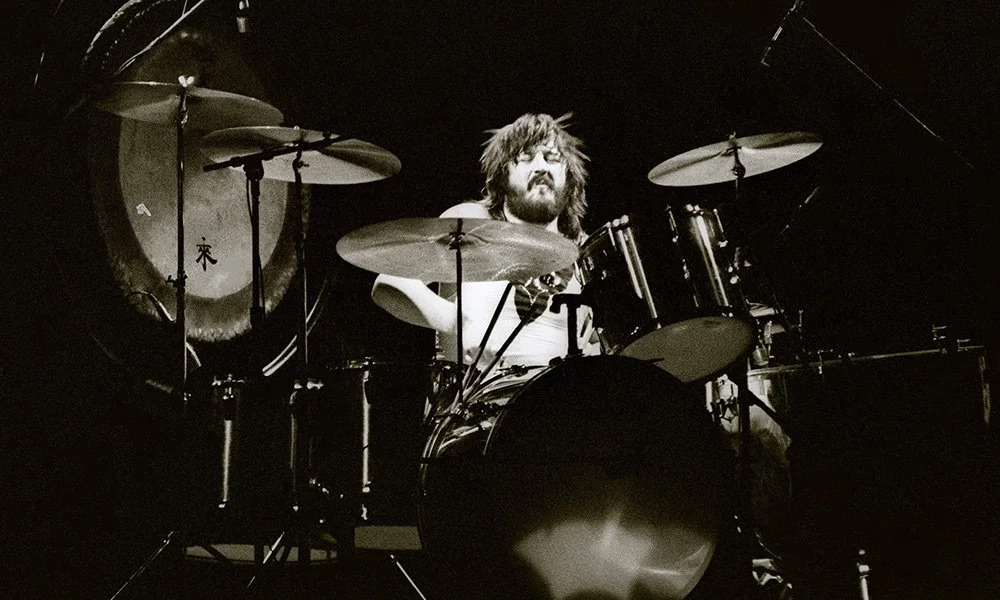
John Bonham — The Powerhouse Drummer
John Bonham is widely regarded as one of the greatest drummers in rock history. His powerful, precise style set a new standard for rock drumming, influencing countless musicians across genres. Bonham’s tragic death in 1980 led directly to the band’s breakup, as the remaining members felt no one could replace his unique contribution.
His influence remains so significant that modern drummers still study his techniques, particularly his use of dynamics and groove-driven timing.
Benefits of Understanding the Led Zeppelin Members’ Roles
Learning about each member’s contribution isn’t just interesting for fans — it offers real value for aspiring musicians and music enthusiasts.
- Better appreciation of musical chemistry: Seeing how four different talents combined helps explain why the band’s sound was so cohesive.
- Inspiration for band dynamics: Modern musicians can learn how balanced roles create stronger creative output.
- Historical context: Understanding the members helps explain broader shifts in 1970s rock music.
- Deeper listening experience: Knowing who played what adds new layers of appreciation when revisiting classic albums.
Common Mistakes Fans Make About Led Zeppelin Members
Even devoted fans sometimes get details wrong. Here are a few common misconceptions:
- Assuming Robert Plant wrote all the lyrics alone. Many songs involved collaborative songwriting, especially with Jimmy Page.
- Overlooking John Paul Jones’s contributions. Because he wasn’t as flashy on stage, his musical arrangements are often underestimated.
- Confusing Led Zeppelin’s formation with The Yardbirds. While Page came from The Yardbirds, Led Zeppelin was a distinct project.
- Believing the band reunited fully after Bonham’s death. Occasional one-off performances occurred, but Led Zeppelin never reformed as a touring band.
Expert Tips for Exploring Led Zeppelin’s Music and History
- Start with their untitled fourth album (commonly called Led Zeppelin IV) to understand their signature sound.
- Pay attention to John Bonham’s drumming on “When the Levee Breaks” for a masterclass in groove.
- Explore live bootlegs to hear how the band improvised during concerts.
- Read interviews with Jimmy Page to understand the production philosophy behind their studio albums.
Comparison Table: Led Zeppelin Members at a Glance
| Member | Role | Known For | Years Active |
|---|---|---|---|
| Robert Plant | Lead Vocals, Lyrics | Powerful vocal range, mythic lyrics | 1968–1980 |
| Jimmy Page | Guitar, Production | Riff innovation, band founder | 1968–1980 |
| John Paul Jones | Bass, Keyboards | Orchestral arrangements | 1968–1980 |
| John Bonham | Drums | Dynamic, influential drumming | 1968–1980 |
Frequently Asked Questions
Who were the original Led Zeppelin members?
The original Led Zeppelin members were Robert Plant on vocals, Jimmy Page on guitar, John Paul Jones on bass and keyboards, and John Bonham on drums. This lineup remained unchanged throughout the band’s entire active career from 1968 to 1980, which is relatively rare among major rock bands of that era.
Why did Led Zeppelin break up?
Led Zeppelin disbanded in 1980 following the tragic death of drummer John Bonham. The remaining members felt that his contribution was so essential to the band’s identity that continuing without him wouldn’t honor the group’s legacy, leading to an official breakup shortly after.
Is John Paul Jones still alive?
As of the most recent public information, John Paul Jones remains active in music, occasionally collaborating on projects outside of Led Zeppelin. He has largely stayed out of the spotlight compared to Plant and Page but continues to be respected as a session musician and arranger.
Did Led Zeppelin ever reunite?
Led Zeppelin has performed together only a handful of times since 1980, most notably at the Live Aid concert in 1985 and a one-off reunion show in 2007 called Celebration Day. However, they never returned as a permanently touring or recording band.
Who replaced John Bonham as drummer?
No official replacement was ever named for John Bonham within Led Zeppelin itself. For the 2007 reunion concert, his son, Jason Bonham, stepped in on drums, which was seen as a fitting tribute to his father’s legacy.
What made Led Zeppelin’s sound unique?
Led Zeppelin blended blues, folk, and hard rock with experimental production techniques. The combination of Plant’s vocals, Page’s guitar work, Jones’s arrangements, and Bonham’s drumming created a layered, dynamic sound that was difficult for other bands to replicate.
Which Led Zeppelin member wrote most of the songs?
Songwriting credits were often shared, particularly between Jimmy Page and Robert Plant. However, John Paul Jones frequently contributed arrangements and musical structure, making many songs a true collaborative effort rather than the work of a single member.
Summary
The story of Led Zeppelin members is really a story about how four very different musical talents came together to create something timeless. From Robert Plant’s unforgettable voice to John Bonham’s thunderous drumming, each member played an irreplaceable role in shaping one of rock music’s greatest legacies. If you’re diving deeper into classic rock history, take some time to revisit their discography with this context in mind — you’ll likely hear their music in a whole new way. Want more deep dives into legendary bands and music history? Explore our related articles below.
Discover more trending content only on WorldSnipes.