



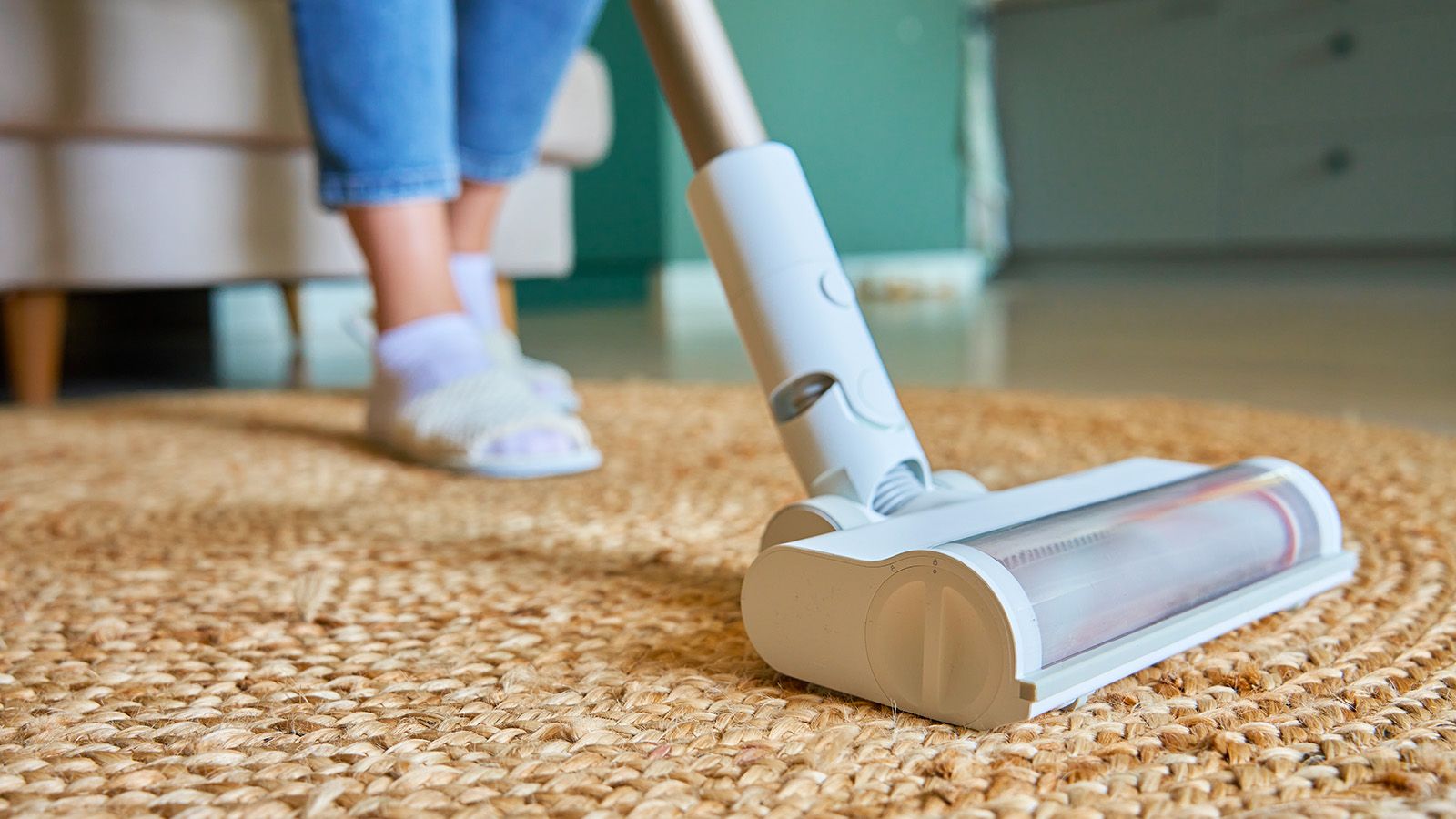
Finding the best vacuum cleaner for your home shouldn’t feel like a chore in itself. Between cordless sticks, robot models, and heavy-duty uprights, the choices can feel overwhelming — especially when every brand claims to be “the one.” After testing dozens of machines across carpets, hardwood floors, and pet-hair-covered couches, we’ve narrowed it down to what actually works, what doesn’t, and how to choose the right fit for your space.
Whether you’re battling shedding dogs, fine dust, or just tired of dragging a heavy machine up the stairs, this guide breaks down everything you need to know before spending your money.
Why Choosing the Best Vacuum Cleaner Matters
A vacuum isn’t just another appliance — it directly affects your indoor air quality, allergy symptoms, and how much time you spend cleaning each week. A poorly performing model pushes dust back into the air instead of trapping it, while a well-designed one with strong suction power and a sealed HEPA filtration system can genuinely improve your home’s air quality.
The right vacuum cleaner saves you time, protects your flooring, and reduces allergens — three things that matter far more than flashy marketing claims.
Key Factors That Define the Best Vacuum Cleaner
Not all vacuums are built the same. Here’s what separates the best vacuum cleaner from an average one:
- Suction power – measured in air watts; higher usually means better deep-clean performance
- Filtration – true HEPA filters trap 99.97% of particles as small as 0.3 microns
- Weight and maneuverability – especially important for multi-level homes
- Bin capacity – larger bins mean fewer stops during cleaning
- Noise level – quieter motors are a growing priority for pet owners and parents
- Battery life – for cordless models, runtime under 30 minutes can be frustrating
Top Vacuum Cleaner Types Explained
There’s no single best vacuum cleaner for every household — the right pick depends on your flooring, square footage, and daily habits. Here’s how the main categories compare.
1. Cordless Stick Vacuums
These lightweight machines are ideal for quick cleanups and small to mid-sized apartments. Cordless stick vacuums offer freedom of movement but typically sacrifice some battery life and bin capacity compared to corded models.
2. Robot Vacuums
Perfect for hands-off cleaning, robot vacuums now come with smart mapping, self-emptying bins, and app-based scheduling. They’re best used as a supplement to, not a replacement for, deep weekly cleaning.
3. Upright and Canister Vacuums
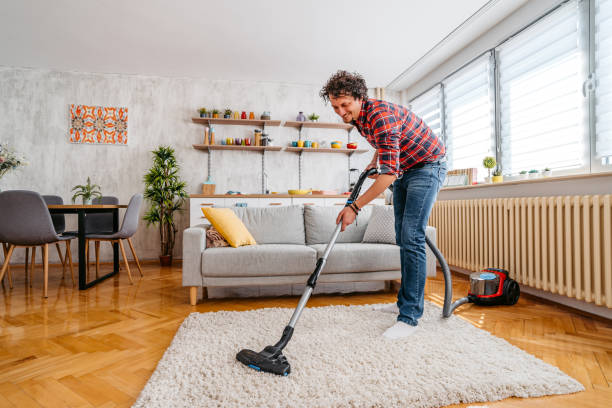
Still the gold standard for deep carpet cleaning, upright and canister models offer the strongest suction and largest capacity, making them ideal for larger homes with heavy foot traffic. For many households, an upright remains the best vacuum cleaner choice when carpet performance is the top priority.
Comparison Table: Best Vacuum Cleaner Options by Category
| Vacuum Type | Best For | Avg. Runtime | Noise Level | Price Range |
|---|---|---|---|---|
| Cordless Stick | Apartments, quick cleanups | 20–60 min | Moderate | $150–$500 |
| Robot Vacuum | Daily maintenance, busy schedules | 90–150 min | Low | $200–$1,200 |
| Upright | Large homes, heavy carpet | Corded (unlimited) | Moderate–High | $150–$700 |
| Canister | Multi-surface, stairs | Corded (unlimited) | Low–Moderate | $200–$800 |
Benefits of Investing in the Best Vacuum Cleaner
Choosing the best vacuum cleaner for your home pays off in ways that go well beyond a tidier floor:
- Improved air quality through sealed HEPA filtration
- Less time spent cleaning thanks to better suction and larger bins
- Longer flooring lifespan with brush rolls designed for specific surfaces
- Reduced allergy symptoms for households with pets or dust sensitivities
- Better resale value retention for homes, as clean carpets and floors matter during showings
Common Mistakes People Make When Buying a Vacuum
Even smart shoppers looking for the best vacuum cleaner fall into these traps:
- Chasing high price tags without checking specs — expensive doesn’t always mean effective for your specific flooring.
- Ignoring filter replacement costs — some models require pricey filters every few months.
- Overlooking bin capacity — a small bin means constant interruptions during cleaning sessions.
- Buying based on brand name alone — always check independent suction and filtration test results.
- Forgetting about noise levels — this matters more than most buyers expect, especially with pets or babies at home.
Expert Tips for Getting the Most Out of Your Vacuum Cleaner
- Clean or replace filters every 1–3 months to maintain peak suction.
- Empty the bin before it’s completely full — overfilled bins reduce airflow and efficiency.
- Match brush rolls to your flooring — a motorized brush works well on carpet but can scatter debris on hardwood.
- Vacuum in overlapping passes rather than single straight lines for more thorough pickup.
- Store cordless vacuums upright and charging to preserve battery longevity over time.
Best Practices for Long-Term Vacuum Performance
Regular maintenance is the single biggest factor in how long your vacuum performs at its best. Check the brush roll for tangled hair weekly, inspect hoses for blockages monthly, and avoid vacuuming large debris that can clog the motor. A well-maintained mid-range vacuum will often outperform a neglected premium one — proof that the best vacuum cleaner is only as good as its upkeep.
Frequently Asked Questions
Here are the questions people ask most often when shopping for the best vacuum cleaner.
What is the best vacuum cleaner for pet hair?
Vacuums with specialized pet-hair brush rolls and strong HEPA filtration handle shedding fur best. Look for models with tangle-free brush technology, as regular brush rolls quickly clog with hair. Robot vacuums with self-emptying bases also help reduce daily maintenance for pet owners managing constant shedding around the home.
How often should I replace my vacuum filter?
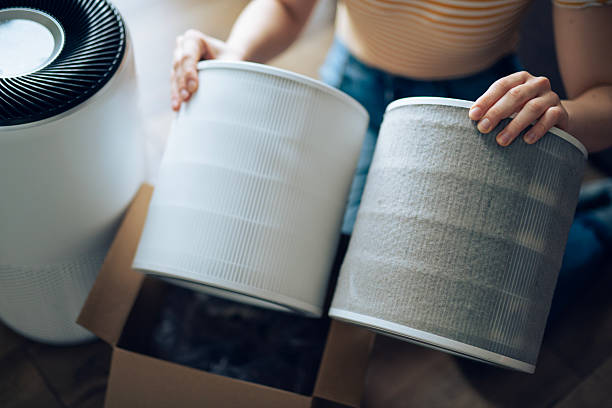
Most HEPA filters should be replaced or washed every 1 to 3 months, depending on usage and household conditions. Homes with pets, allergies, or heavy foot traffic may need more frequent changes. Check your manufacturer’s guidelines, since some filters are washable while others require full replacement for optimal suction performance.
Are cordless vacuums as powerful as corded ones?
Modern cordless vacuums have closed the performance gap significantly, but corded models still generally offer stronger and more consistent suction over longer cleaning sessions. Cordless vacuums are excellent for quick cleanups and smaller spaces, while corded uprights or canisters remain better suited for whole-home deep cleaning.
Is a robot vacuum worth buying?
Yes, if you want consistent daily maintenance without lifting a finger. Robot vacuums excel at light, frequent cleaning but aren’t a full replacement for deep weekly vacuuming, especially on thick carpets. They work best paired with a traditional vacuum for a complete cleaning routine.
What suction power is considered good for a vacuum?
Suction power is typically measured in air watts (AW), and anything above 100 AW is considered strong for household use. However, overall performance also depends on filtration design and brush roll efficiency, so suction numbers alone shouldn’t be the only factor in your decision.
Can I use one vacuum for both carpet and hardwood floors?
Yes, most modern vacuums include adjustable settings or interchangeable brush heads for different surfaces. Look for models with a soft-roller head for hardwood and a motorized brush for carpet, or ones with automatic surface detection for seamless transitions between rooms.
How much should I spend on a good vacuum cleaner?
A reliable vacuum cleaner typically falls between $200 and $600, depending on type and features. Budget models under $150 often lack durable filtration, while premium options above $700 usually add smart features rather than significantly better cleaning performance.
Do HEPA filters really make a difference?
Yes. True HEPA filters trap 99.97% of particles as small as 0.3 microns, significantly reducing dust, pollen, and pet dander circulating in your home. This is especially beneficial for allergy sufferers and households with young children or respiratory sensitivities.
Final Thoughts
Choosing the best vacuum cleaner ultimately comes down to your home’s specific needs — flooring type, pet ownership, and how much time you want to spend cleaning each week. Focus on suction power, filtration quality, and long-term maintenance costs rather than just the price tag or brand reputation.
Ready to upgrade your cleaning routine? Compare a few models from this guide against your own home’s layout, and pick the one that matches your lifestyle rather than the flashiest specs sheet.
Discover more trending content only on WorldSnipes.